VoiceRun Secures $5.5 Million to Revolutionize Voice Agent Development
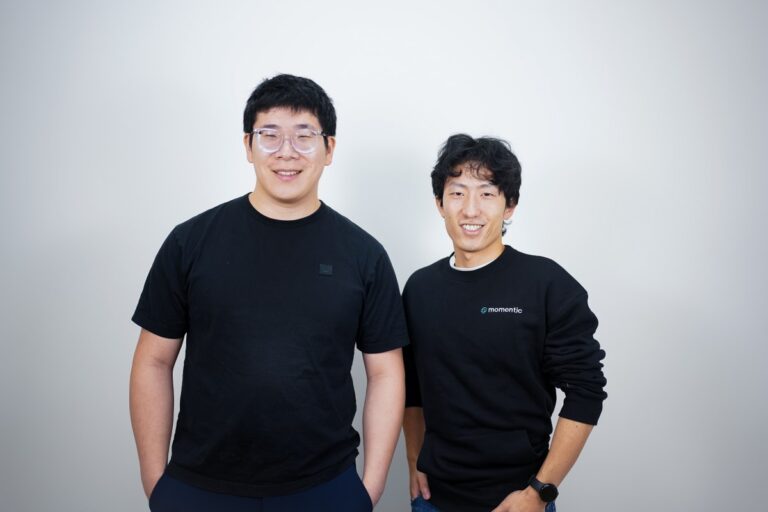
Nicholas Leonard and Derek Caneja, the co-founders of VoiceRun, have identified critical design flaws in existing AI voice agents, fueling their mission to craft a superior solution. With VoiceRun, they aim to empower developers to create and scale voice agents more effectively, leveraging code instead of relying solely on cumbersome visual interfaces.
Launched last year, VoiceRun addresses the limitations encountered in low-code platforms, which require users to navigate complex diagrams and prompt boxes. Leonard emphasizes that coding offers far greater flexibility for shaping the behavior of voice agents. “Code is the native language for coding agents,” he stated, underscoring the advantages of a coding-focused approach. This versatility provides developers with the capability to create voice agents that can seamlessly switch dialects or perform nuanced tasks often unsupported by typical visual builders.
In addition to its coding capabilities, VoiceRun offers features such as A/B testing and one-click deployment, specifically targeting enterprise developers who want to integrate AI into customer service offerings. For instance, the platform is currently aiding a restaurant-tech company in launching an AI phone concierge system for reservation management.
On Wednesday, VoiceRun announced the successful closing of a $5.5 million seed funding round led by Flybridge Capital. This funding comes at a time when competition in the AI voice agent arena is intensifying, with startups attracting significant investment. Leonard acknowledges the dual market spectrum, highlighting competitors like no-code builders, which enable quick prototyping, and more advanced tools that prioritize developer control. He believes VoiceRun occupies a unique middle ground, combining global voice infrastructure with an evaluation-driven lifecycle while ensuring that customers maintain ownership of their code and data.
Leonard aims to shift public sentiment around automated voices, which are often viewed as unreliable. A survey by Five9 revealed that 75% of respondents prefer human interaction for customer service. Leonard envisions a future where developers can create voice agents that not only meet functional demands but also foster greater comfort and trust among users.
“Just as the assembly line transformed car manufacturing, VoiceRun intends to build the ‘voice agent factory’ that will make effective voice agents ubiquitous,” Leonard concluded, positioning his platform as a turning point in voice technology development.