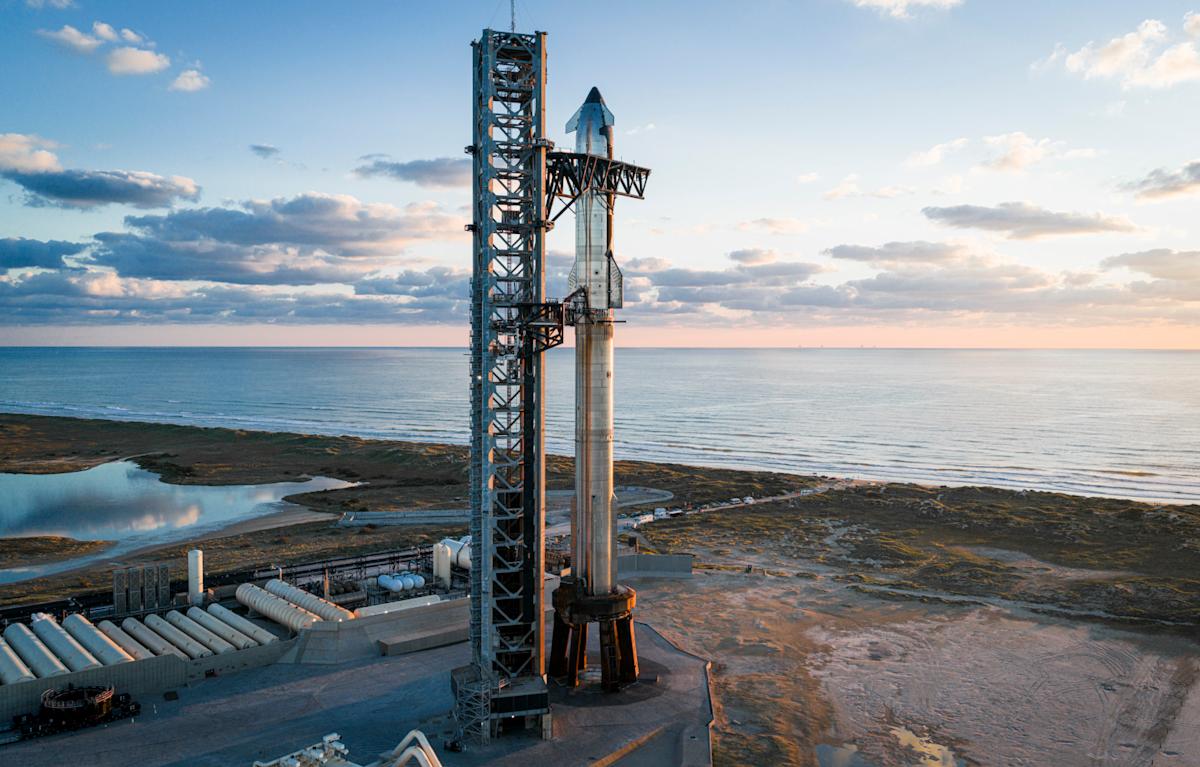
Elon Musk has announced a significant pivot for SpaceX, prioritizing the development of a lunar base over its initial focus on Mars colonization. In a recent post on X, Musk positioned this “self-growing city on the Moon” as a more feasible project, potentially achievable within a decade. He emphasized the logistical advantages of lunar exploration, including favorable launch windows and proximity to Earth, which contrast starkly with the challenges of reaching Mars, expected to take over 20 years for a similar endeavor.
This strategic change marks a notable departure from Musk’s earlier assertions that Mars settlement could begin as soon as 2024. In follow-up comments, he suggested that lunar efforts would take precedence, while Mars exploration could still commence within five to six years, with a manned Mars flight projected for 2031.
In early 2022, Musk had dismissed lunar projects as distractions, arguing that the Moon’s resources, such as oxygen-rich lunar regolith, could significantly reduce the need for transporting liquid oxygen from Earth to Mars. NASA’s recent advancements in extracting oxygen from lunar materials lend credence to Musk’s renewed focus on the Moon. As part of NASA’s Artemis program, which SpaceX is involved with as a contractor, plans are ongoing to ensure human return to the lunar surface by 2028, with Artemis II expected to launch in March 2024 for a lunar flyby.
Key Points:
– SpaceX shifts focus to establishing a lunar base ahead of Mars colonization.
– Elon Musk claims a lunar city could be completed within 10 years.
– Logistics favor lunar exploration over Mars, which could face delays of over 20 years.
– NASA’s Artemis program aims to return humans to the Moon by 2028, incorporating SpaceX’s involvement.