Rivian Introduces Proprietary AI Assistant to Elevate User Experience
Rivian is making significant strides in enhancing user experience with the development of its in-house AI assistant, initiated in response to the growing influence of artificial intelligence in various sectors, including automotive. The company’s approach aligns with the rapid advancements made by foundational AI organizations such as Google, Microsoft, and OpenAI, as industries aim to integrate AI technologies more effectively.
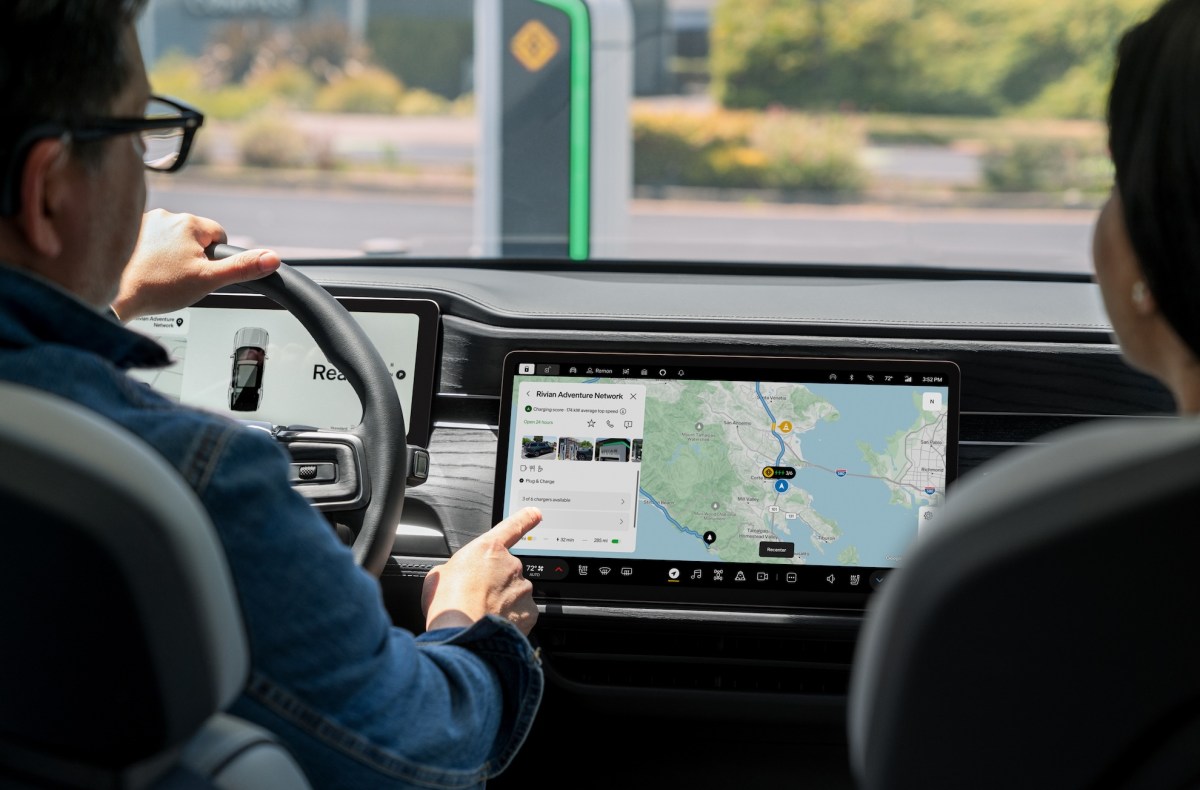
The team, located at Rivian’s Palo Alto office, operates with a vision of building a versatile architecture that remains agnostic to specific AI models and platforms. According to Chief Engineer Bensaid, the focus extends beyond just creating the AI assistant; it emphasizes developing robust software layers that facilitate seamless coordination of workflows and resolve operational conflicts. “We’ve designed a comprehensive in-vehicle platform,” said Bensaid, highlighting an agentic framework that supports interaction across various AI models.
Rivian’s push for vertical integration is evident in the upgrades planned for its flagship R1T truck and R1S SUV models in 2024. These enhancements encompass a complete revamp of the battery packs, suspension systems, electrical architecture, sensor stack, and software user interfaces. In alignment with these upgrades, Rivian is also investing heavily in refining its software stack, which manages real-time operating systems responsible for critical functions such as safety systems and infotainment.
While specific details about the AI assistant remain scarce, Bensaid noted that it will feature a hybrid software stack designed to balance tasks between edge AI—executing operations on-device—and cloud AI, which manages more complex computations on external servers. This dual approach aims to deliver a responsive and tailored user experience.
Much of the AI software is developed internally, including custom models and an orchestration layer that coordinates interactions among various AI functionalities. Rivian has also partnered with other entities for specialized components to enhance the AI assistant’s capabilities, which is targeted at building customer trust and engagement.
At this stage, the AI assistant remains exclusive to Rivian. The company’s collaboration with Volkswagen prioritizes software development but does not currently involve the AI assistant or automated driving technologies. This joint venture, valued at up to $5.8 billion, focuses on creating foundational electrical architecture and software solutions, set to support Volkswagen Group by 2027.
While autonomy and AI technologies are currently treated as separate initiatives, Bensaid emphasizes the potential for future integration, signaling Rivian’s vision for a more interconnected technological ecosystem.