ProducerAI Integrates with Google Labs to Revolutionize Music Creation
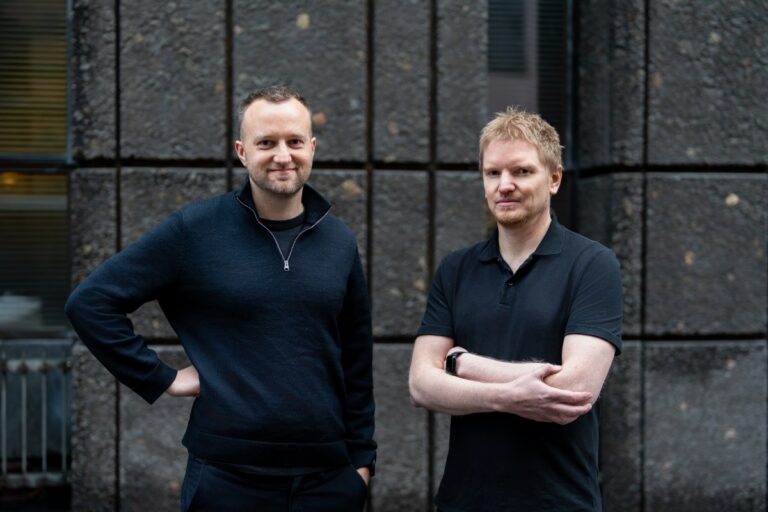
In a significant development for the music industry, ProducerAI has officially partnered with Google Labs, enhancing its capabilities for generative music creation. The announcement, made on Tuesday, reveals that this innovative platform, backed by The Chainsmokers, empowers users to generate music simply by inputting natural language requests, such as “create a lofi beat.” Utilizing Google DeepMind’s advanced Lyria 3 music-generation model, ProducerAI can convert both text and image inputs into engaging audio outputs.
Recent developments indicate that Lyria 3 technology is set to be included in Google’s flagship Gemini app. According to Elias Roman, Senior Director of Product Management at Google Labs, this partnership allows users to engage with the AI as though it were a “collaboration partner.” In his blog post, Roman expressed how ProducerAI has facilitated new creative avenues, enabling him to blend genres, craft personalized birthday songs, and curate custom workout playlists.
Notable artists are already utilizing the Lyria 3 model. Wyclef Jean, a three-time Grammy-winning rapper, incorporated this technology into his latest track, “Back From Abu Dhabi.” In a recent video, he explained the creative process, emphasizing that the platform facilitates a thoughtful curation of sound rather than merely producing music with a click of a button. He illustrated this by sharing an experience where he seamlessly integrated a flute sound into an existing track.
Jean highlighted the unique superpowers of human creativity compared to AI, stating, “What I want everybody to understand is you’re in the era where the human has to be the most creative. There’s one thing that you have over the AI: a soul. And there’s one thing that AI has over you: the infinite information.”
The rise of AI in the music industry has sparked intense debate. Some musicians have expressed concerns over AI-generated music, arguing that these tools often rely on copyrighted data without artists’ consent. A coalition of notable figures, including Billie Eilish and Jon Bon Jovi, signed an open letter in 2024 urging tech companies to prioritize human creativity over AI-generated content. Additionally, music publishers recently filed a lawsuit against the AI company Anthropic for allegedly downloading over 20,000 copyrighted songs, including compositions and lyrics, without authorization.
Conversely, several artists see the benefits of AI as a means to enhance audio quality. Paul McCartney employed AI-driven noise reduction technology to restore a low-quality John Lennon demo, resulting in the acclaimed track “Now and Then,” which won a Grammy in 2025. AI music generation tools like Suno have also proven capable of creating realistic-sounding tracks that have topped charts on platforms such as Spotify. For instance, Telisha Jones, a 31-year-old artist from Mississippi, transformed her poetry into the viral song “How Was I Supposed To Know” with Suno, eventually securing a $3 million record deal.
The legal implications surrounding the use of copyrighted material for AI training remain ambiguous. While a federal judge ruled last year that using copyrighted data for training purposes is permissible, unauthorized downloads remain illegal. The ongoing evolution of AI in the music industry continues to shape the conversation about creativity, ethics, and innovation.