Pat Gelsinger Advocates for Federal Support to Uphold Moore’s Law in Semiconductors
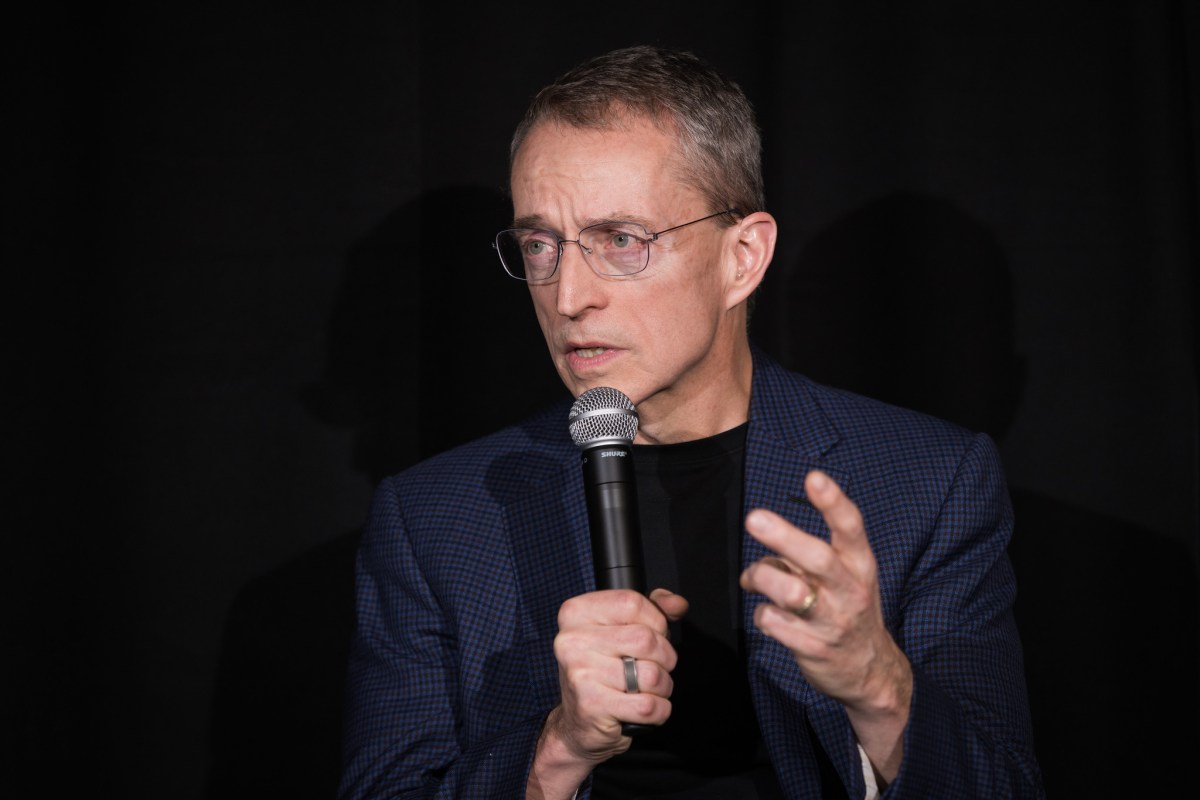
In a strategic shift following his departure from Intel, Pat Gelsinger, now a general partner at Playground Global, is intensively involved in the semiconductor sector, particularly with startups like xLight. Recently, xLight announced a preliminary agreement for up to $150 million with the U.S. Commerce Department, which could see the government taking a significant equity position in the company.
This development underscores Gelsinger’s enduring influence in the semiconductor arena, despite his recent challenges at Intel, where he was ousted due to waning confidence in his revival plans. The partnership with xLight also highlights a growing trend in Silicon Valley—government equity stakes in technology firms, which has raised eyebrows among industry leaders. California Governor Gavin Newsom recently voiced concerns over this shift, asking, “What the hell happened to free enterprise?”
Gelsinger’s commitment to sustaining Moore’s Law, the principle stating that computing power should double approximately every two years, remains evident. He remarked, “We think this is the technology that will wake up Moore’s Law.” The funding from the Chips and Science Act, a component of former President Trump’s administration, aims to nurture early-stage companies with transformative technologies, though it is still in the letter of intent phase, meaning final agreements are pending.
xLight aims to develop large-scale free electron lasers capable of producing extreme ultraviolet light at precise wavelengths, allowing for advances in semiconductor lithography. Currently, the industry relies on ASML’s technology, which operates at 13.5 nanometer wavelengths. Gelsinger explained, “About half of the capital goes into lithography. The essence of being able to continue to innovate for more advanced semiconductors relies on shorter wavelength, higher power light.”
Led by Nicholas Kelez, who has extensive experience in quantum technology and X-ray facilities, xLight’s approach differs significantly from that of previous efforts. Kelez noted that earlier attempts faced technological limitations; now, with EUV technology mainstream, the timing appears more favorable for innovation. The company plans to treat light generation as a utility, allowing for more powerful and flexible solutions.
Projected timelines indicate that xLight could produce its first silicon wafers by 2028 and launch its initial commercial system by 2029. While Gelsinger acknowledged that no major chipmakers have yet committed to xLight’s technology, discussions are ongoing with industry leaders.
The competitive landscape is heating up, especially with other startups like Substrate raising significant capital to develop similar technologies. However, Gelsinger views potential partnerships rather than competition, suggesting that collaborations could enhance market capabilities.
Gelsinger’s engagement with the Trump administration dates back to early 2021, where he pitched xLight as essential for reinvigorating U.S. chip manufacturing. Despite the criticism surrounding perceived state capitalism, Gelsinger is unabashed, asserting that such involvement is necessary for national competitiveness.
xLight’s federal investment comes with minimal restrictions, lacking veto rights or board representation from the government, which Kelez describes as a non-controlling interest aimed at advancing national interests. Having already raised $40 million, xLight plans to secure additional funding while aiming to construct its facility in New York.
Through xLight, Gelsinger seeks to reclaim his legacy in the semiconductor industry, balancing his corporate responsibilities with evolving political dynamics. He emphasizes that CEOs must focus on achieving business objectives rather than partisan politics, stating, “Your job is to accomplish the business objective, serve your investors, serve your shareholders.”
As Gelsinger juggles multiple ventures, he expresses enthusiasm for the diverse range of projects he’s now influencing, viewing his role as a “rookie venture capitalist” as an opportunity for broader impact in technology.