Nvidia Bolsters Open Source AI Landscape with Latest Acquisition and Launch of New AI Models
Nvidia is making significant strides in the open-source AI arena through a strategic acquisition and the unveiling of innovative AI models. On Monday, the technology titan announced the acquisition of SchedMD, a prominent developer of the widely-used open-source workload management system, Slurm. The acquisition positions Nvidia to enhance its contributions to high-performance computing and AI while maintaining Slurm as vendor-neutral, open-source software.
Founded in 2010 by key developers Morris Jette and Danny Auble—who currently serves as CEO—SchedMD has been a long-term partner for Nvidia over the past decade. Although financial details of the acquisition were not disclosed, Nvidia reaffirmed its commitment to investing in and advancing Slurm’s capabilities as a vital infrastructure for generative AI.
In conjunction with the acquisition, Nvidia revealed a new suite of open AI models termed Nvidia Nemotron 3. Claimed to be the “most efficient family of open models,” Nemotron 3 is designed to facilitate the creation of accurate AI agents. The series includes:
- Nemotron 3 Nano: A compact model tailored for specific tasks.
- Nemotron 3 Super: A model optimized for multi-agent applications.
- Nemotron 3 Ultra: Engineered for complex tasks requiring advanced computational abilities.
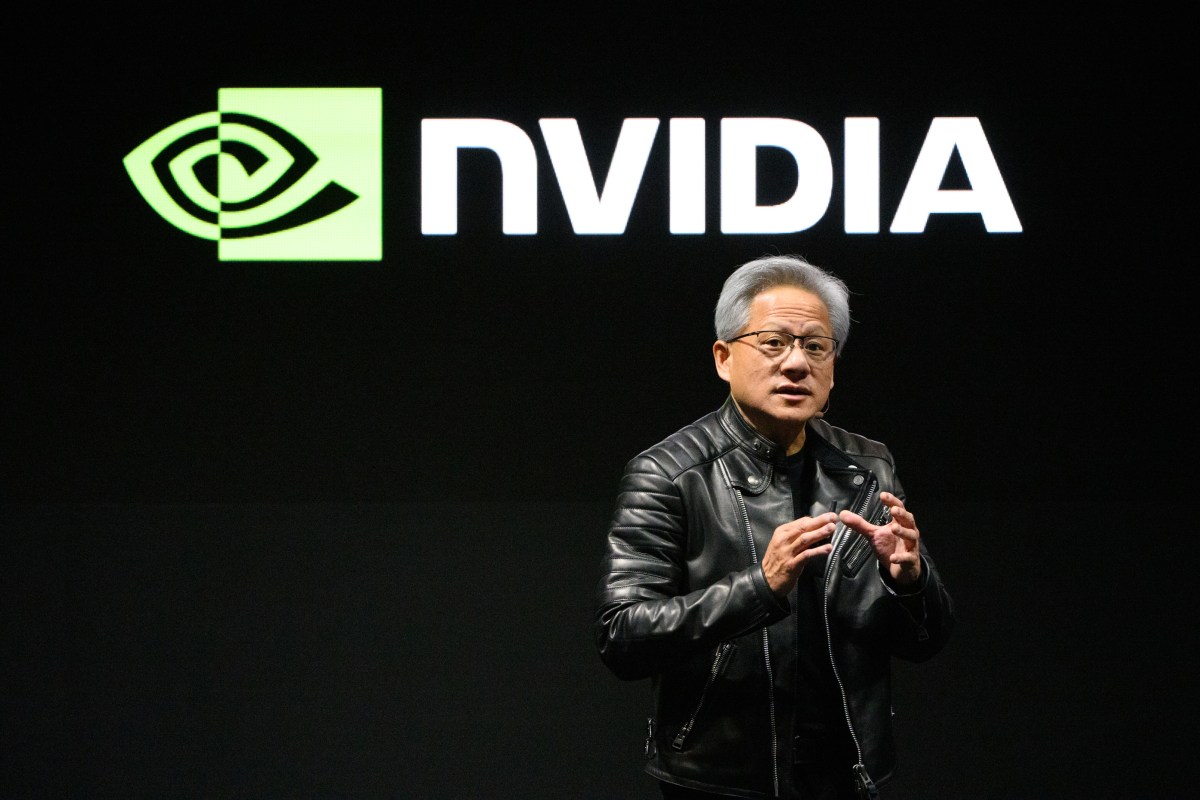
“Open innovation is the foundation of AI progress,” stated Jensen Huang, Nvidia’s founder and CEO, in a press release. “With Nemotron, we’re transforming advanced AI into an open platform, providing developers with the transparency and efficiency to create scalable agentic systems.”
Nvidia’s ongoing efforts to enhance its open-source initiatives are not limited to this announcement. Just last week, the company introduced the Alpamayo-R1 model, an open reasoning vision language model aimed at enhancing autonomous driving research. Additionally, Nvidia expanded its workflows and guides related to its Cosmos world models, making them more accessible to developers under a permissive license.
This strategic focus underscores Nvidia’s vision of becoming the primary supplier for robotics and self-driving vehicle companies, as the demand for cutting-edge AI technology continues to grow.