OpenAI Reports Surging Popularity of ChatGPT Among Young Users in India
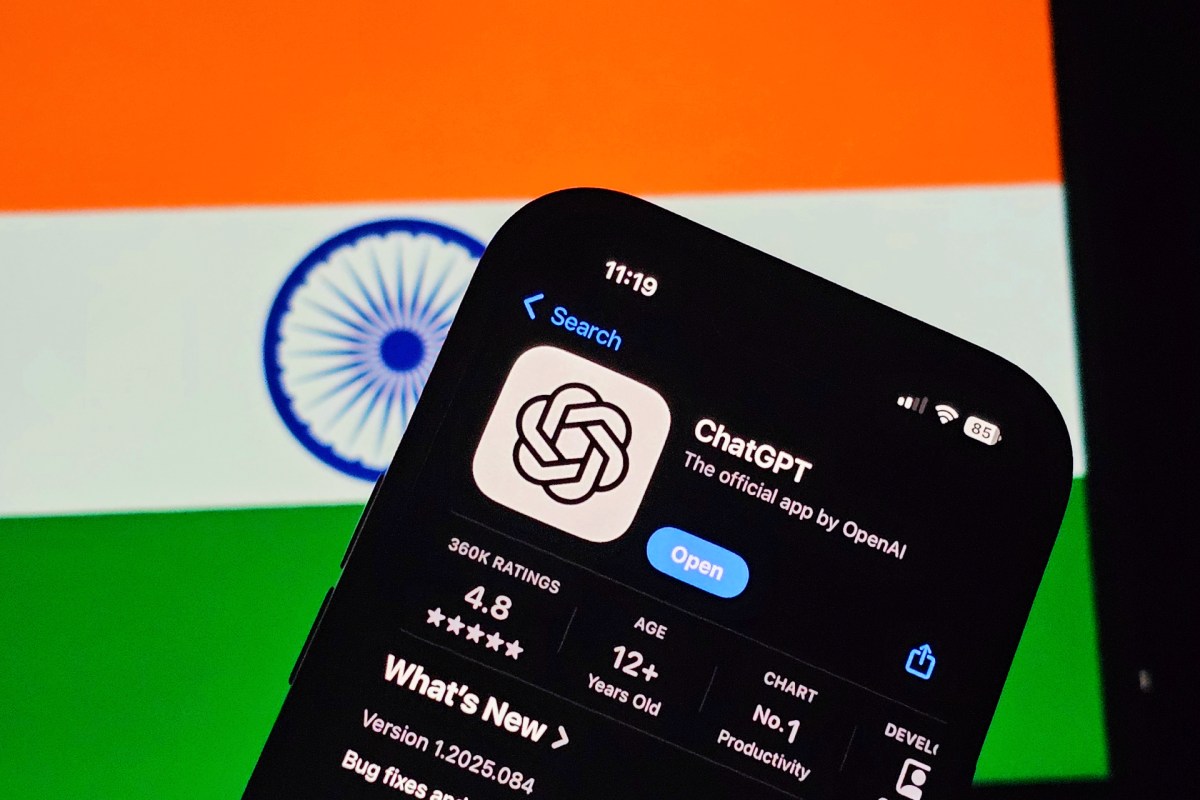
OpenAI has highlighted a significant trend in its user demographics, revealing that nearly half of all ChatGPT interactions in India come from individuals aged 18 to 24, with those under 30 making up 80% of users. This data underscores the platform’s appeal among younger audiences in the country.
The AI lab emphasized that professional tasks dominate its user base in India, with 35% of all messages sent related to work, surpassing the global average of 30%. This suggests a noteworthy shift towards using AI tools for productivity enhancement in the professional sector.
Additionally, OpenAI’s coding assistant, Codex, is gaining remarkable traction, seeing usage rates three times higher than the global median. Since launching a Mac application two weeks ago, weekly engagement with Codex has quadrupled, with Indian users submitting three times as many coding-related inquiries compared to the median.
This trend aligns with insights from Anthropic, which reported that 45.2% of Claude’s tasks in India relate to software development.
Beyond professional usage, the data indicates that 35% of messages sent by Indian users seek advice, while 20% focus on general information inquiries and another 20% involve requests for writing assistance.
With over 100 million weekly users, India stands as OpenAI’s second-largest market. The company has been proactive in its efforts to engage this audience, introducing an affordable subscription tier under $5 and launching promotional campaigns aimed at increasing adoption.
“AI adoption is progressing more swiftly than our capacity to measure, presenting challenges for informed decision-making. Signals is our initiative to provide tangible evidence, ensuring that discussions about AI in India are based on facts rather than hype,” stated Ronnie Chatterji, OpenAI’s chief economist.
OpenAI has also formed partnerships with fintech firm Pine Labs, travel services Ixigo and Makemytrip, and food delivery platform Eternal. Furthermore, collaborations with educational institutions aim to distribute tools to over 100,000 students over the next six years.