Logo Design Trends for 2026: Shifts Towards Interactivity and Authenticity
Recent observations in design indicate a significant transformation in logo creation leading into 2026. As the graphic design landscape evolves, brands are pivoting from traditional, static logos toward dynamic identities that encourage engagement and resonate emotionally with audiences. This article delves into the seven key trends that are anticipated to shape the logo design scene in the coming years.
Unfixed Identities
Gone are the days when logos functioned merely as static emblems. Experts like Graham Sykes from Landor highlight that modern logos are becoming interactive gateways to brand experiences. As brands increasingly engage with augmented and virtual realities, logos must adapt fluidly to various contexts and user interactions. These “identity systems” are not just animated; they are designed to be responsive and context-aware, breaking free from conventional branding constraints.
Playful and Unexpected Designs
With the recent backlash against bland logos, designers are leaning into playful creativity. Joe Warburton from FutureBrand notes that brands are reclaiming their unique voices, using whimsical designs that diverge from the typical minimalist aesthetic. Noteworthy examples include the rebranding of GF Smith and the AI platform Jupi, demonstrating a trend toward vibrant, engaging logos that capture attention.
Subtle Iteration in Branding
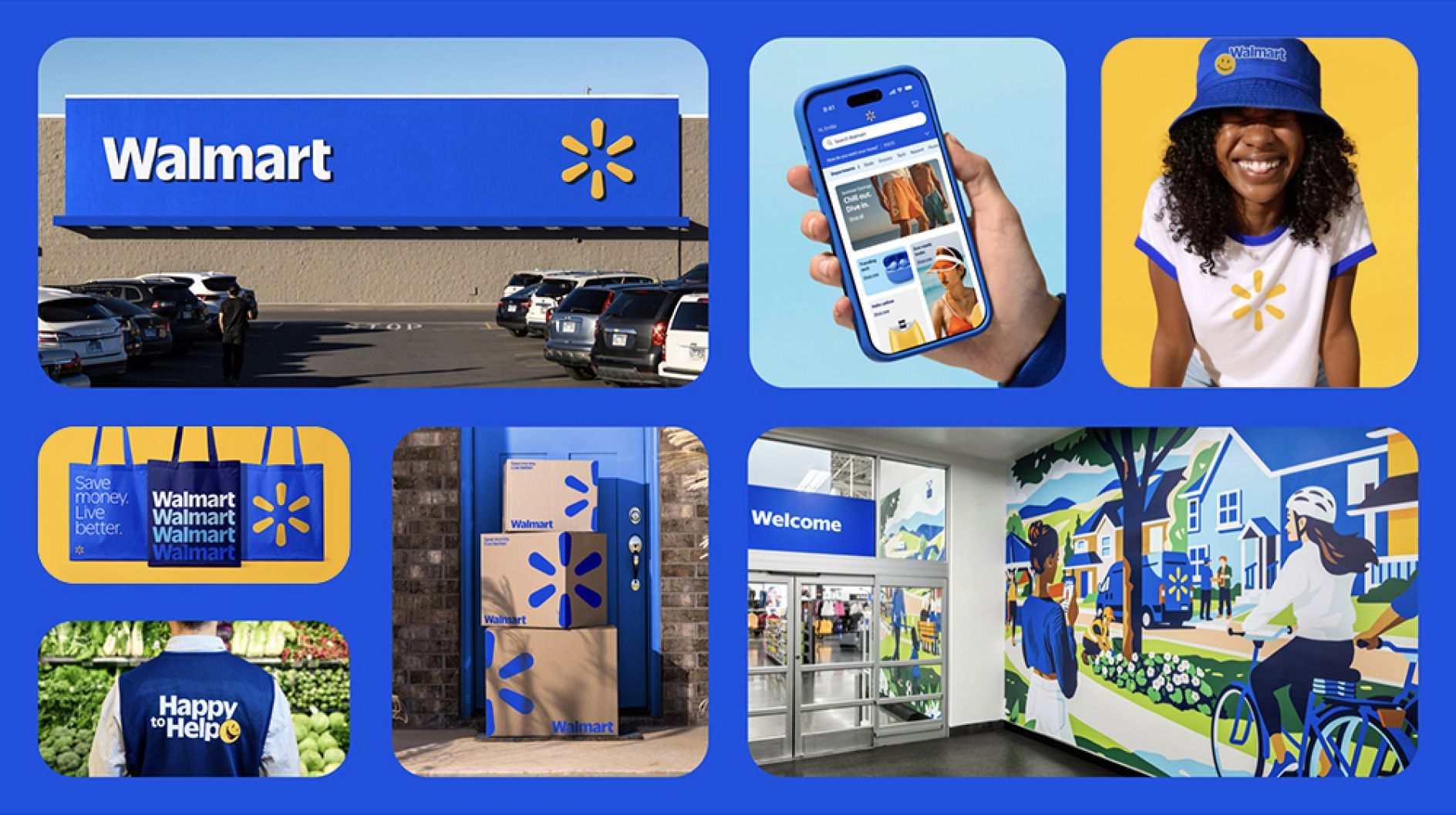
Mary Kate Henry, design director at BUCK, observes that many high-profile rebranding efforts are opting for subtlety rather than complete overhauls. Brands such as Walmart and Amazon are refining their identities through small updates rather than radical changes, preserving brand equity while remaining current and relevant.
Organic Earthmarks
In response to growing consumer interest in sustainability, logos inspired by nature, termed “organic earthmarks,” are on the rise. John Smiddy from NutraMarketers emphasizes the preference for softer shapes and earthy palettes that convey authenticity and warmth. Successful brands will incorporate unique elements from their stories, avoiding generic designs while resonating with eco-conscious consumers.
Responsive Logo Systems
Jack Shaw from Shawfire Media highlights the demand for versatile logo systems that perform well across various platforms and formats. As brands increasingly require logos that maintain clarity on smaller screens or within different contexts, responsive designs that adapt while retaining core brand identity will gain traction.
Tactile 3D Logos
The trend toward tactile logos, which create depth and a sense of quality, is expected to continue. Emma Grant from Figment Agency explains that these three-dimensional designs, characterized by subtle shadows and layering, are effective in grabbing attention in crowded visual spaces while maintaining an elegant finish.
Belief and Belonging
John Paolini from Sullivan points out a profound shift towards design elements that foster emotional connections. As consumers seek relationships with brands, logos that encapsulate cultural narratives and evoke a sense of belonging will become increasingly important. Successful brands will draw on their historical contexts, as shown by Apple’s recent logo refresh, which integrates nostalgia with modern sensibilities.
As we approach 2026, the evolution of logo design will reflect broader cultural trends and technological advancements. Brands that embrace interactivity, warmth, and genuine identity will likely stand out in an increasingly competitive marketplace.