Exploring 5 Key Logo Types and Their Applications
In the world of branding, selecting the right logo type can significantly impact a company’s identity and public perception. Logos generally fall into one of five primary categories: wordmarks, lettermarks, brandmarks, combination marks, and emblems. Understanding these categories not only aids in effective logo design but also enhances brand recognition.
Types of Logos
H2: Wordmark
A wordmark, or logotype, features the brand’s name prominently, emphasizing text as its core element. Brands like Coca-Cola, Google, and Visa exemplify this style, which can project confidence and stability while ensuring the full company name is visible. Wordmarks encourage creativity through unique font usage or visual elements, as seen in the FedEx logo’s clever hidden arrow.
H2: Lettermark
By using initials instead of the full name, lettermarks serve companies with long or complex names. Notable examples include NASA and HBO. This type of logo enhances memorability, especially in markets where space is limited, such as mobile interfaces. The challenge lies in making the initials distinctive to ensure instant recognition.
H2: Brandmark
Brandmarks rely solely on imagery, symbolizing the brand without text. Iconic examples include the Apple silhouette and the Nike ‘Swoosh’. This approach fosters a deep psychological connection, as visuals can resonate more instinctively than words. While effective for global marketing, the success of a brandmark hinges on audience familiarity with the symbol.
H2: Combination Mark
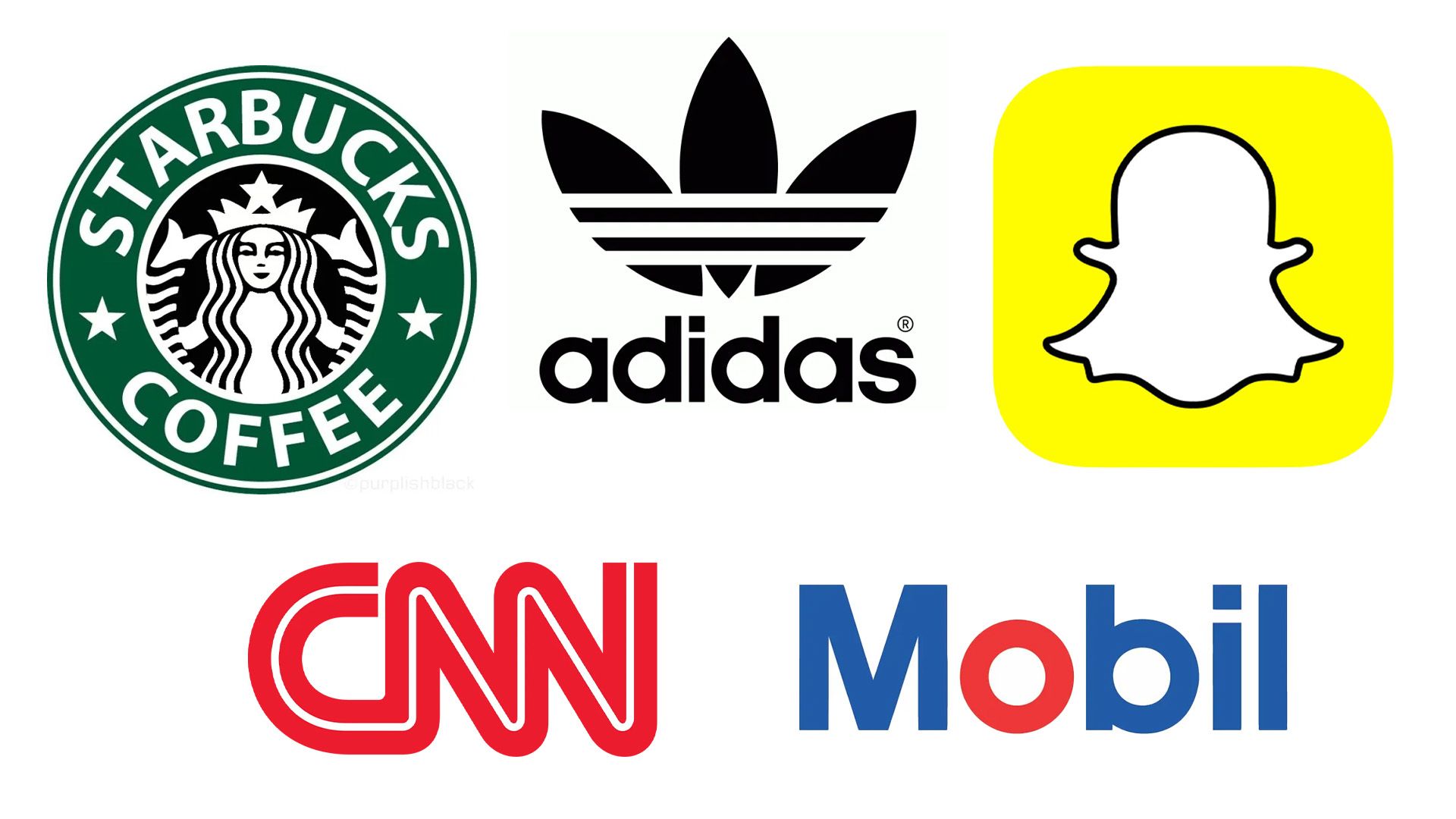
A combination mark blends text with imagery, effectively communicating both the brand name and its essence. Prominent examples are the logos for Adidas and McDonald’s. These logos are particularly beneficial for lesser-known brands, offering distinctiveness and trademark advantages. However, their complexity can pose challenges when resizing for various formats.
H2: Emblem
Emblems incorporate both text and imagery within a single graphic, often appearing as badges or seals. Notable logos like those of Starbucks and Ford exemplify this type. While emblems lend an air of authority and authenticity, they offer less flexibility than combination marks, making them best suited for organizations seeking to project a strong, established image.
In conclusion, each logo type serves a specific purpose and can be strategically chosen to align with a brand’s goals. Designers and businesses alike can benefit from understanding these categories to cultivate a memorable and effective visual identity. For further insights on logo design, readers can access guides or explore exemplary logos in various industries.