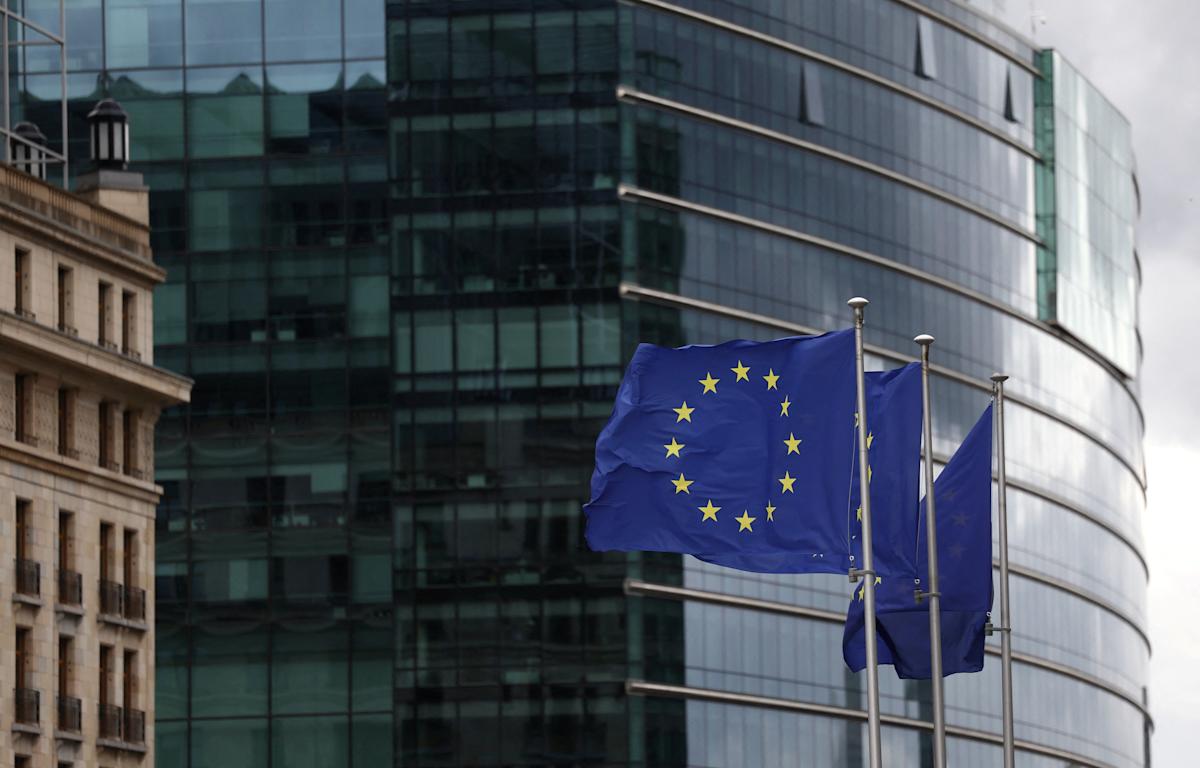
The European Union has tentatively agreed to a monumental commitment to reduce greenhouse gas emissions by 90% by 2040, measured against 1990 levels, according to a recent announcement from the EU Parliament. This ambitious target positions the EU ahead of most major economies, including China, although it falls short of recommendations made by the EU’s climate science advisors.
Lars Aagaard, Denmark’s climate minister involved in the negotiations, emphasized that this target balances the necessity for climate action while maintaining economic competitiveness and security. The agreement marks a critical milestone in the EU’s broader objective of achieving climate neutrality by 2050.
This political compromise, which took months to finalize, reflects differing perspectives among EU member states. Nations like Poland and Hungary expressed concerns that more stringent cuts could impose excessive burdens on industries already struggling with high energy costs. Conversely, countries such as Spain and Sweden advocated for stronger emissions reductions, emphasizing the urgent need for action to mitigate the impacts of extreme weather and to enhance the EU’s position in global green technology manufacturing.
To meet the 2040 emissions reduction goal, European industries will be required to cut their emissions by 85%, while compensating for the remaining 5% through carbon credits purchased from developing nations. Additionally, the EU has approved a provision allowing the use of up to 5% in international carbon credits to ease the burden on industry, along with delaying the imposition of a carbon tax on fuel until 2028.
Despite the more moderate targets, the EU demonstrates a commitment to climate action that surpasses that of other leading polluters, having already achieved a 37% reduction in emissions compared to levels from 1990. In contrast, the United States has only managed a reduction of about 7%, following a withdrawal from the Paris Climate Accord under the previous administration.
The agreement requires ratification from the EU Parliament and individual member states to take effect, a process that is typically a formality for such previously negotiated deals.