Elon Musk Advances Ambitious Plans for Orbital Data Centers
SpaceX has made significant strides in its plans for a network of orbital data centers, officially filing with the FCC for a groundbreaking million-satellite data center initiative. This move, which some initially viewed as a discussion starter, has now crystallized into a serious endeavor following a recent merger between SpaceX and xAI, weaving together Musk’s interests in space technology and artificial intelligence.
In a pivotal development, the FCC has accepted SpaceX’s filing and initiated a schedule for public comment. This procedural step has garnered attention, especially as FCC Chairman Brendan Carr shared the proposal on X, signaling potential bipartisan support for this ambitious project.
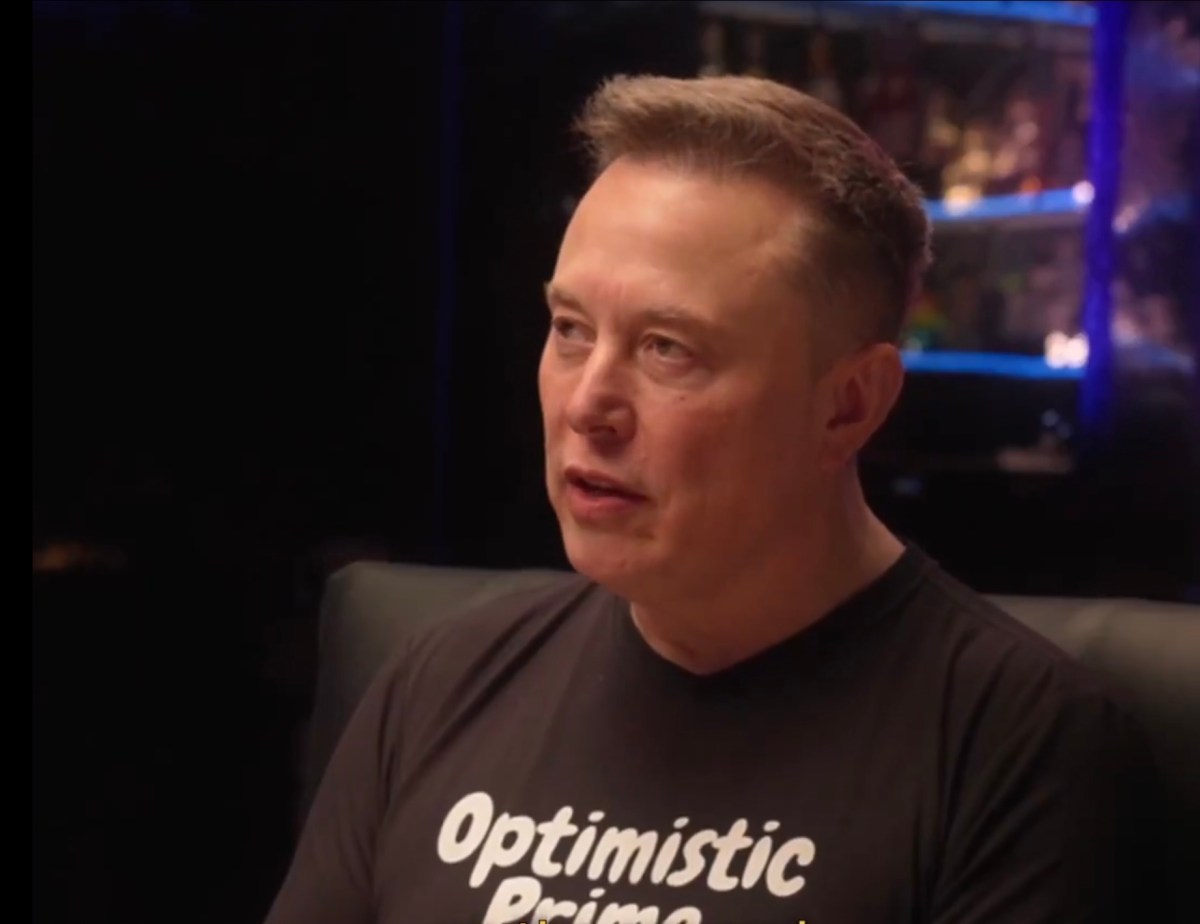
Musk has begun to promote the concept of orbital AI data clusters, emphasizing their efficiency. During a recent appearance on the podcast “Cheeky Pint,” hosted by Stripe co-founder Patrick Collison, Musk explained the economic advantages of placing data centers in space. He noted that solar panels generate significantly more energy in orbit—up to five times their ground output—potentially reducing one of the main operational costs associated with data centers.
However, experts like Dwarkesh Patel, who also joined the podcast, raised concerns about the operational challenges of maintaining GPUs in space and questioned whether the overall costs would indeed favor orbital setups.
Musk envisions a transformative timeline, declaring that by 2028, space will emerge as the leading venue for AI operations: “In 36 months, the most economically compelling place to put AI will be space,” he asserted, predicting that within five years, orbital AI infrastructure will surpass Earth’s cumulative capacity.
As the global data center market is poised to hit an estimated 200 GW by 2030, translating into nearly a trillion dollars in infrastructure, SpaceX’s foray into orbital data centers could reshape the industry landscape. With plans for an IPO around the corner, anticipation is growing for how this venture will influence ongoing investments in data infrastructure, as tech companies increasingly explore opportunities beyond Earth’s boundaries.
Key Takeaways:
– Musk’s plan includes a million-satellite data center network.
– The SpaceX-xAI merger strengthens the case for orbital data centers.
– FCC has accepted the filing and will seek public comment.
– Solar energy efficiency in space could lower operating costs.
– Experts express concerns about operational feasibility.
– Musk predicts significant growth in orbital AI capabilities by 2028.