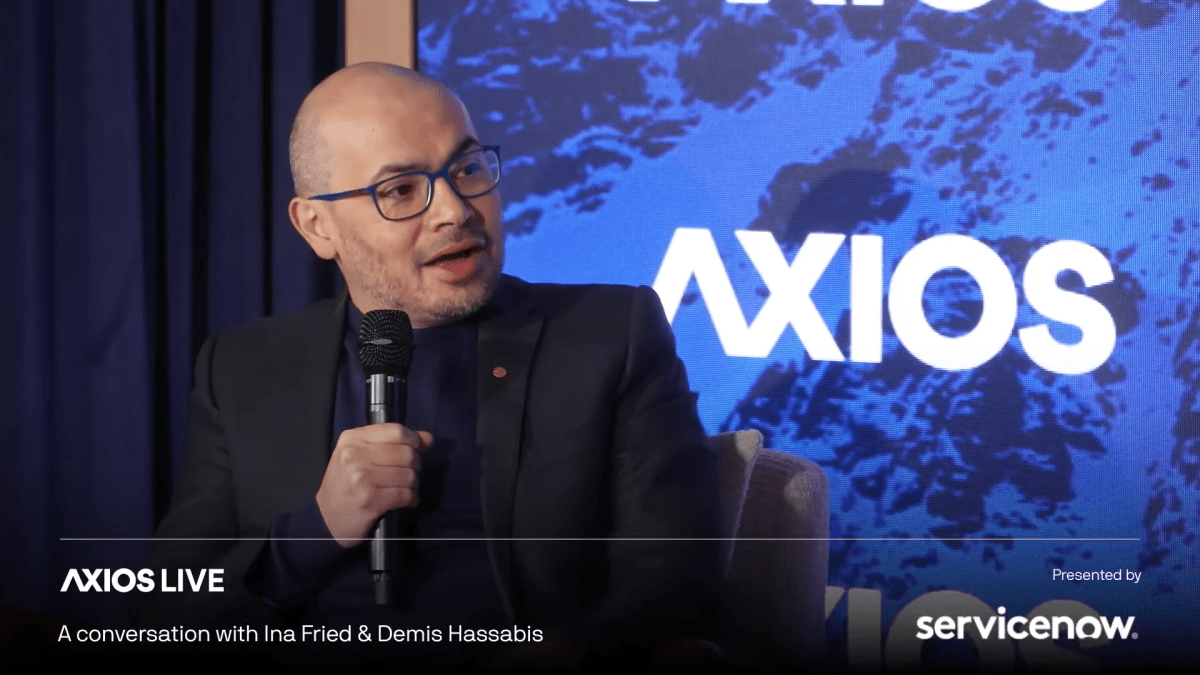
DeepMind CEO Demis Hassabis expressed astonishment at OpenAI’s swift decision to incorporate advertisements into its AI chatbot. During an interview with Axios at the World Economic Forum in Davos, he shared insights on advertising as a potential revenue stream for AI services, noting that Google is approaching this concept cautiously.
Hassabis reassured that his team does not feel compelled by Google to make hasty decisions regarding advertising, despite its significance to Google’s overall business model.
His comments came in light of OpenAI’s recent announcement to pilot ads aimed at the approximately 800 million weekly active users of its AI chatbot, targeting those without paid subscriptions. This shift may arise from the increasing operational and energy costs OpenAI faces, which could alter users’ perceptions of its service.
“I’m a little bit surprised they’ve moved so early into that,” Hassabis remarked about OpenAI’s advertising strategy. He acknowledged that ads historically supported the consumer internet but questioned their place in digital assistants designed to provide genuine help. “There is a question about how ads fit into that model,” he noted, emphasizing the need for trust in assistant technologies.
Reiterating feedback from an earlier interview at Davos, Hassabis clarified that Google currently has no plans to introduce advertisements into its AI chatbot. Instead, the company intends to closely observe user responses to OpenAI’s approach.
Consumer backlash against intrusive advertising in AI interactions has been evident. For instance, users reacted negatively when OpenAI tested app suggestions during chats, leading the company to disable the feature, which was claimed to be non-commercial. The discontent stemmed from perceived degradation in user experience rather than financial motives.
Hassabis underscored the distinct nature of chatbot interactions compared to traditional search queries, where user intent is better understood for relevant ads. “Chatbots are meant to be personal assistants, and there needs to be careful consideration in how advertising is integrated,” he said.
Additionally, Google has launched new personalization features for its AI tool, Gemini, allowing it to utilize user data from Gmail and Photos for more tailored responses. Hassabis acknowledged that while personalized advertising is vital for free internet services, it must not compromise the assistant’s primary role.
He emphasized that DeepMind is not under immediate pressure to introduce ads, stressing a thoughtful, scientific approach to product development. “We think deeply about each decision regarding technology and product evolution,” he concluded.