AI Models Bring New Focus on Memory Management in Infrastructure Costs
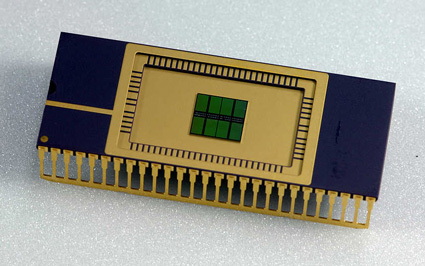
As the landscape of artificial intelligence evolves, the spotlight is shifting from traditional hardware components like Nvidia GPUs to the crucial role of memory management. The price of DRAM chips has surged nearly sevenfold over the past year, coinciding with hyperscalers’ plans to invest billions in new data centers. This significant increase emphasizes the importance of orchestrating memory effectively, ensuring that data reaches the right AI agents at precisely the right moment.
Leading experts in the semiconductor industry, such as analyst Dan O’Laughlin and Val Bercovici, chief AI officer at Weka, are addressing this growing challenge. Their discussions highlight the central role that memory chips will play not just in hardware, but also in AI software architecture, which significantly impacts operational efficacy.
Bercovici points out the increasing complexity of memory management, particularly in platforms like Anthropic. A recent look at Anthropic’s prompt caching pricing reveals a shift from a straightforward model to intricate guidelines detailing various cache tiers—options for 5-minute or hour-long caches—and their corresponding costs. This evolution illustrates the critical importance of caching strategies in optimizing performance and reducing operational expenses.
The efficiency of memory usage is pivotal; for instance, selecting a longer caching period can lower costs if managed correctly. However, the challenge lies in balancing new data queries with available cache space, as adding information risk displacing existing data.
As companies advance in memory management for AI models, this emerging field holds potential for significant operational benefits. Innovations from startups like TensorMesh highlight advancements in cache optimization, while ongoing discussions in memory types and data center practices reveal expansive opportunities throughout the technology stack.
By mastering memory orchestration, businesses can minimize token usage, leading to decreased inference costs. This trend, coupled with improved server efficiencies, positions many current applications to gain profitability, reshaping the future of AI deployment.