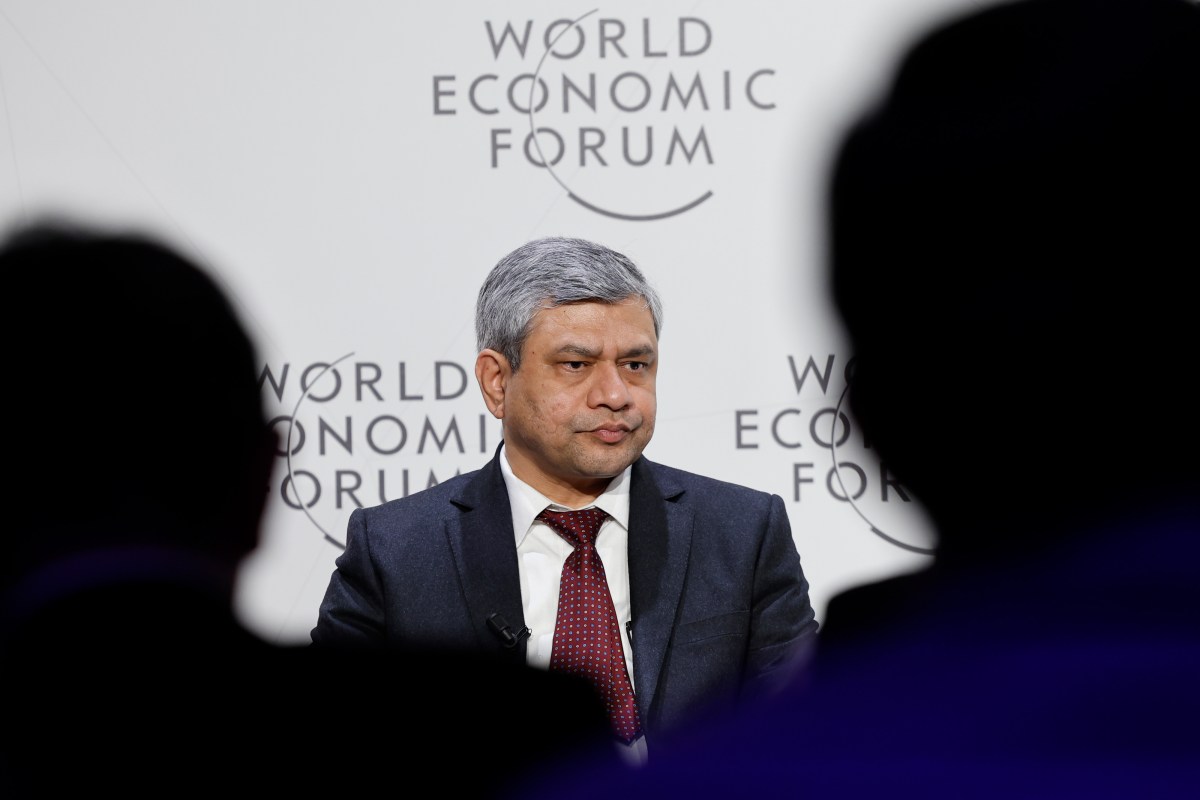
India is embarking on a bold initiative to secure over $200 billion in artificial intelligence infrastructure investments by 2028, aiming to establish itself as a global leader in AI technologies. This ambitious goal was unveiled by IT Minister Ashwini Vaishnaw during the AI Impact Summit in New Delhi, attended by top executives from leading tech firms such as OpenAI, Google, and Anthropic.
To stimulate investment, the Indian government is implementing a comprehensive strategy that includes tax incentives, state-sponsored venture capital, and favorable policies designed to integrate more of the global AI value chain within the country. This move coincides with substantial commitments from major U.S. technology firms, which have invested around $70 billion in AI and cloud infrastructure in India, reinforcing the nation’s case for attracting further investment through its unique advantages in scale, cost, and policy support.
The projected investment is expected to heavily favor AI infrastructure development, such as data centers and semiconductor manufacturing, while also anticipating an additional $17 billion directed toward deep-tech and AI application development. This dual focus highlights India’s intention to move beyond mere infrastructure and capture more value within the AI ecosystem.
Recent government initiatives are set to enhance India’s appeal as a destination for AI computing, including long-term tax breaks for export-driven cloud services and a ₹100 billion (approximately $1.1 billion) venture program focused on high-risk sectors like AI and advanced manufacturing. Additionally, new regulations have extended the startup status duration to 20 years and increased the revenue threshold for accessing startup benefits to ₹3 billion (around $33.08 million).
Vaishnaw noted the growing interest from venture capitalists in funding deep-tech startups and innovative AI solutions, reflecting a robust ecosystem for ambitious projects. As part of the IndiaAI Mission, the government plans to augment its shared computing capacity from the current 38,000 GPUs, with an additional 20,000 units set to be integrated shortly, marking a key advancement in the country’s AI strategy.
Looking forward, the government is preparing to launch a second phase of the AI Mission focused on research, innovation, and broader access to AI infrastructure, aiming to distribute resources beyond a limited number of corporations. However, this initiative faces challenges, including the need for sustainable energy solutions for energy-intensive data centers, posing execution risks as India strives to accomplish a rapid AI infrastructure expansion.
Vaishnaw acknowledged these hurdles, emphasizing the government’s awareness of energy consumption demands and highlighting India’s clean energy capacity as a potential advantage amid rising data center demands. As companies explore new, cost-effective locations for AI computing, India’s success in this venture will have implications that extend far beyond its borders.