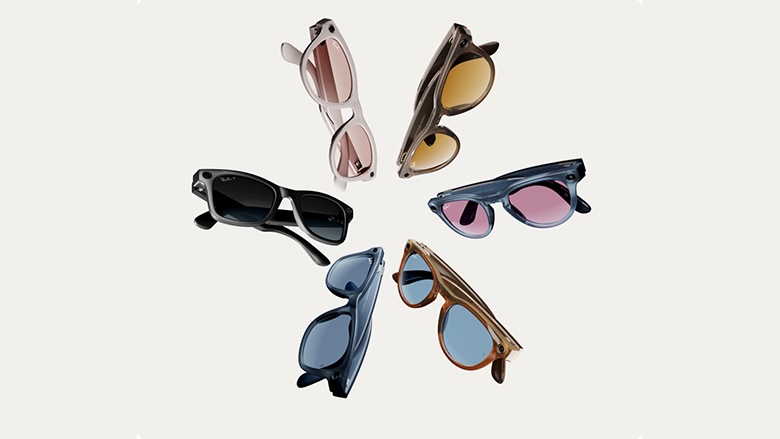
Meta is poised to roll out facial recognition technology in its smart glasses as early as this year, according to a recent report from The New York Times. This innovative feature, referred to internally as “Name Tag,” aims to enable wearers to recognize individuals and retrieve relevant information with the assistance of Meta’s AI technology.
Despite this ambitious plan, the report indicates that Meta’s strategy remains fluid, as the company navigates significant safety and privacy concerns related to facial recognition. Discussions surrounding the implementation of this feature have been ongoing since early last year.
Initially, Meta intended to debut the Name Tag feature at an event geared towards the visually impaired, but those plans were ultimately abandoned. The company is reportedly now looking to capitalize on the current political climate in the United States, positing that opposition from civil rights organizations may be diminished during this tumultuous period.
An internal document suggests that Meta believes a politically charged environment could provide a strategic advantage for the rollout. The memo states, “We will launch during a dynamic political environment where many civil society groups that we would expect to attack us would have their resources focused on other concerns.”
Interestingly, Meta had contemplated integrating facial recognition capabilities into its inaugural Ray-Ban smart glasses back in 2021 but ultimately shelved these ideas due to technical and ethical hurdles. However, recent political shifts favoring closer ties with the tech sector, combined with a surprising positive reception for its smart glasses, have led the company to reassess its plans.
Key Points:
– Meta’s facial recognition feature “Name Tag” expected to launch this year.
– Implementation faces scrutiny over safety and privacy issues.
– Initial plans for a conference release were abandoned.
– Strategy shifted to align with the current political landscape.
– Previous attempts to include this technology in smart glasses were halted due to ethical concerns.