Elon Musk Unveils Ambitious Lunar Goals Amid Departures at xAI
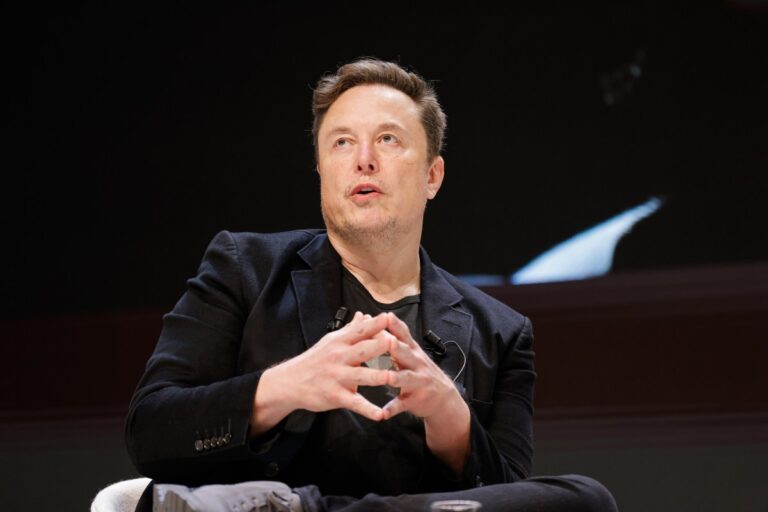
In a recent all-hands meeting, Elon Musk laid out a bold vision for his AI company, xAI, focusing on the establishment of a manufacturing facility on the Moon. As reported by The New York Times, Musk emphasized the potential of creating AI satellites via a lunar factory, leveraging enhanced computing power to outpace competitors. “You have to go to the moon. It’s difficult to imagine what an intelligence of that scale would think about, but it’s going to be incredibly exciting,” he stated.
Despite his ambitious plans, Musk did not clarify the logistics behind realizing this lunar initiative or how it would impact the newly merged xAI-SpaceX entity, which is reportedly gearing up for a significant IPO. Reflecting on the fast-paced nature of innovation, he remarked that the organization is currently experiencing change, stating, “If you’re moving faster than anyone else in any given technology arena, you will be the leader.”
The timing of this meeting is particularly notable, as xAI has seen a wave of departures among its co-founders. Just days prior, co-founders Tony Wu and Jimmy Ba announced their exits, bringing the total number of founding members who have left to six out of twelve. These exits appear to have been amicable, coinciding with news of a potential $1.5 trillion valuation for SpaceX, making the transitions financially advantageous for those involved.
Musk’s newfound focus on lunar initiatives marks a significant pivot from SpaceX’s previous goal of establishing a Mars colony, which he claims could take over 20 years. He argues that plans for a self-sustaining city on the Moon could be realized in half that time.
Investors are reportedly more enthusiastic about lunar data centers than Martian colonies, recognizing the practical challenges of interplanetary colonization. An xAI venture backer suggested that Musk’s lunar ambitions align closely with his overarching vision for developing a superintelligent AI, enriched by diverse data inputs from Tesla, Neuralink, SpaceX, and the Boring Company.
As Musk’s team shrinks, questions remain about how he plans to execute this ambitious lunar project. The absence of clarity following the all-hands meeting leaves uncertainty as to who will spearhead these initiatives moving forward.