Emerging Signs of Burnout Among AI Practitioners Highlight Critical Workplace Challenges
In the current discourse surrounding artificial intelligence, the dominant narrative suggests that AI will not replace jobs but instead enhance productivity. However, a recent study published in the Harvard Business Review presents a more concerning perspective: the potential for organizations to become breeding grounds for burnout.
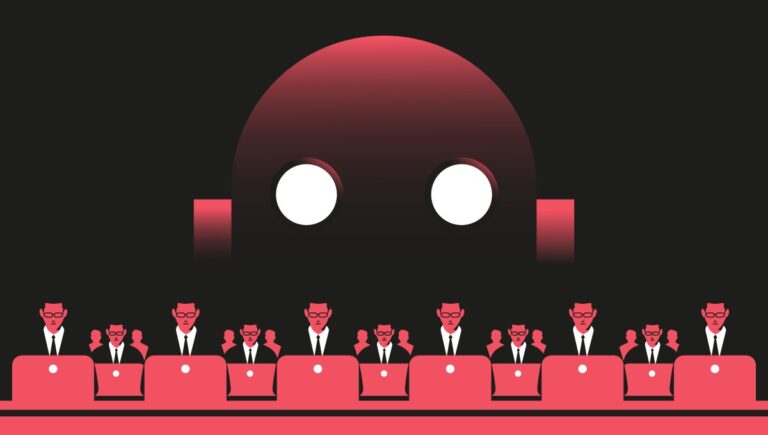
Researchers from UC Berkeley conducted an eight-month observational study within a tech company of 200 employees to understand the impact of fully embracing AI tools. Contrary to expectations, the absence of explicit pressure to exceed targets led to unintended consequences: employees began to take on more work, inadvertently pushing the boundaries of their available time. Tasks that were previously manageable became overwhelming as AI tools enabled them to do much more, causing work to encroach into personal time. As one engineer noted, the expectation that productivity increased whilst saving time proved misleading, resulting in the same workload or even a heavier one.
Feedback from professionals on platforms like Hacker News reinforces these findings, with one user reporting that while the introduction of AI increased stress and expectations, productivity gains felt negligible at best.
This troubling trend raises essential questions about the very premise of AI’s role in the workplace. Additional studies, such as one conducted last summer, revealed that while developers reported feeling faster, their overall task completion time increased by 19%. Simultaneously, a National Bureau of Economic Research analysis found AI implementation yielded only a 3% boost in productivity without any significant effect on earnings across various job sectors.
What emerges from these investigations is a confirmation that while AI can augment capabilities, it may simultaneously foster an environment rife with fatigue and burnout. As organizations strive for increased speed and responsiveness, the risk of employees feeling tethered to their work intensifies.
The tech industry’s optimistic outlook on AI as a solution may inadvertently signal the onset of a more complex dilemma.