Lachy Groom’s Physical Intelligence Pioneers Advanced Robotic Learning
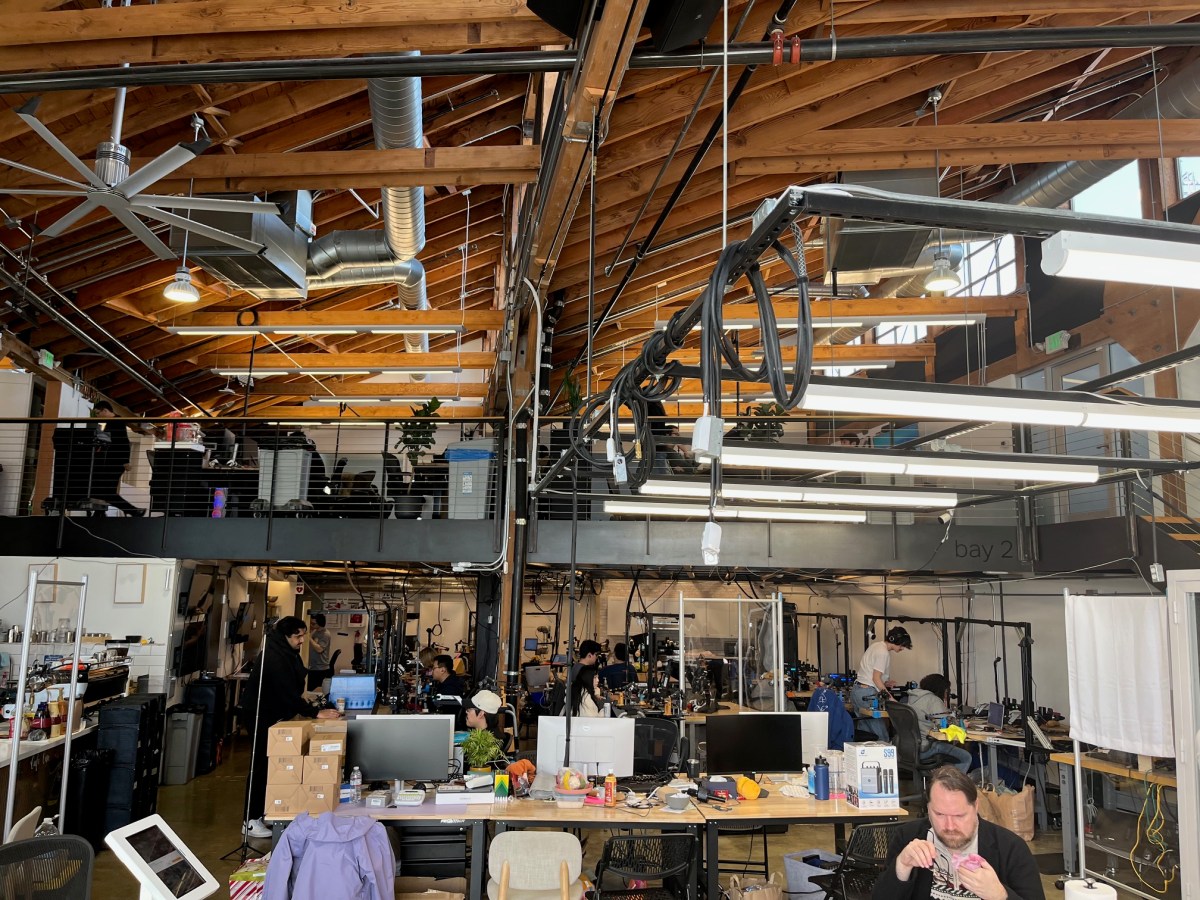
Physical Intelligence, a cutting-edge robotics company based in San Francisco, is pushing the envelope in the field of robotic autonomy by developing sophisticated robot brains capable of learning from real-world tasks. Upon entering their headquarters, visitors are greeted by an unconventional workspace filled with long blonde-wood tables hosting both casual lunch items and an array of robotic components. The cluttered environment emphasizes the company’s dual focus on research and practical application.
During a recent visit, the diverse capabilities of the robots became apparent as one robotic arm struggled to fold pants, while another adeptly peeled zucchini. “Think of it like ChatGPT for robots,” co-founder Sergey Levine explains, drawing an analogy between their platform and current AI trends. The process is straightforward: data is continuously collected across various settings—such as warehouses and homes—to refine and train general-purpose robotic models. Each robot’s performance helps evaluate its adaptability to novel tasks.
Physical Intelligence employs off-the-shelf hardware for its robotic arms, which retail around $3,500. Surprisingly, manufacturing them in-house could reduce costs significantly. Levine insists that innovative intelligence can elevate the performance of even subpar hardware, proving critical in this learning phase.
Groom, who co-founded the company after a successful stint as an angel investor, has ambitious plans for Physical Intelligence. Within just two years, the startup has raised over $1 billion, focusing primarily on computational power and exploratory research rather than immediate monetization. Groom emphasizes that the lack of a defined timeline for revenue generation is an unusual but necessary aspect of their strategy, allowing the team to prioritize long-term goals over short-term returns.
The company has begun collaborating with various industries, including logistics and retail, to assess their robotic solutions’ efficacy in real-world scenarios. They’re dedicated to a versatile approach, refining their algorithms to handle diverse tasks without requiring extensive reprogramming for new hardware platforms.
As the landscape of robotics intensifies, Physical Intelligence stands out by pursuing a research-driven philosophy compared to competitors accelerating toward commercialization. While companies like Skild AI focus on deploying their technology swiftly, Physical Intelligence aims to develop superior general intelligence by resisting near-term pressures. The outcome of this strategic divergence remains to be seen.
Despite the challenges inherent in hardware-based innovations, Groom and his team are committed to advancing their vision. With approximately 80 employees and a clear plan, they continue to explore the vast potential of robotic automation. Yet, questions linger about the ultimate utility of such technology in everyday life. If Groom’s convictions are any indication, he is optimistic that the future of robotic intelligence will align with society’s evolving needs.