Tech Leaders Debate AI Innovations and Industry Rivalries at Davos Summit
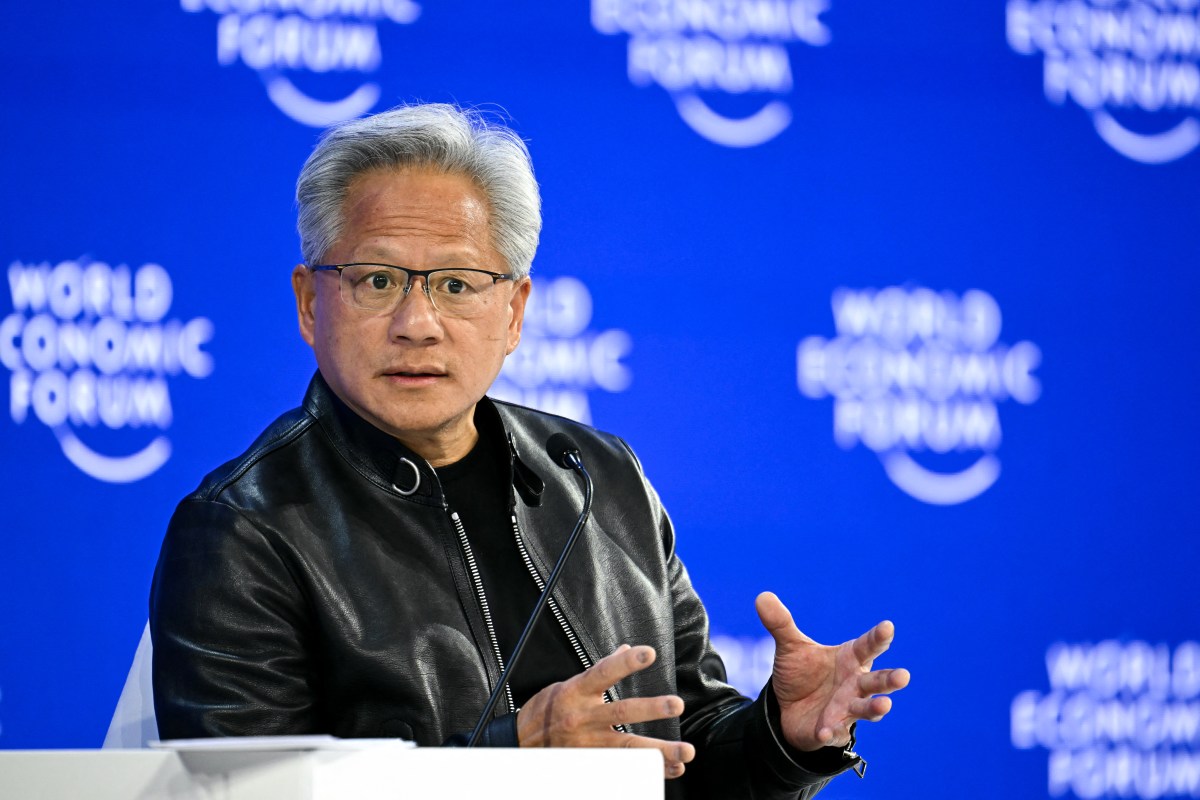
At this week’s World Economic Forum in Davos, Switzerland, the spotlight was squarely on artificial intelligence (AI), as top executives from leading tech companies convened to discuss the future of this transformative technology. Notable figures such as Elon Musk, CEO of Tesla; Jensen Huang, CEO of Nvidia; Dario Amodei, CEO of Anthropic; and Satya Nadella, CEO of Microsoft shared insights, showcasing the burgeoning significance of AI in modern business.
The discussions revealed a mix of excitement and caution, with industry leaders articulating their visions for AI while simultaneously addressing concerns of inflated expectations within the sector. Amidst these overarching narratives, competitive tensions emerged, as executives exchanged veiled criticisms of one another and even their partners in the tech ecosystem.
Shift from Climate Discussions to AI Focus
Unlike previous years, where pressing issues like climate change took center stage, this year saw a pronounced emphasis on AI, with major companies such as Meta and Salesforce dominating the main promenade. Kirsten highlighted this shift, noting that critical global problems seemed less compelling to conference attendees compared to the allure of AI innovation. While the event showcased a strong tech presence, concerns lingered regarding the lack of engagement with other significant issues.
Key Points Raised by CEOs
-
Competitive Rivalries: Conversations often veered into critiques of competitors, with Amodei openly challenging the Trump administration’s decision to permit Nvidia to export chips to China, framing it as a matter of national security and technology control.
-
AI’s Economic Impact: Nadella underscored the necessity of broader AI adoption to sustain industry growth, cautioning against a potential bubble. He stressed the importance of equitable access to AI technologies for communities around the globe.
-
Concerns Over Job Creation: Huang emphasized the role of AI in job creation but acknowledged the risks of overexpansion and the subsequent funding reversals that could occur.
-
Building Collaborations: Although competition was palpable, many leaders also expressed the need for collaboration to navigate the complex landscape of technology advancement.
This year’s summit not only showcased the rapid advancements in AI but also highlighted the underlying tensions within the tech community, making it a noteworthy event in the ongoing discourse surrounding the future of technology and innovation. The interactions among these leaders left attendees pondering the delicate balance between competition and collaboration in an ever-evolving digital landscape.