Zanskar Unveils Untapped Potential of 1 TW Geothermal Power
Groundbreaking insights from Zanskar indicate the vast potential of geothermal energy, predicting it could contribute one terawatt (TW) of power by 2050. Current estimates from the Department of Energy (DOE) suggest geothermal can generate 60 gigawatts (GW), or nearly 10% of electricity in the U.S. However, co-founder and CEO Carl Hoiland believes this projection is significantly understated, particularly due to the limited focus on conventional geothermal sources.
The DOE’s projections largely hinge on advances in enhanced geothermal systems (EGS), which utilize fracking methods to access subterranean heat. Companies like Fervo and Sage Geosystems are exploring this technology, which is recognized for its substantial promise. In stark contrast, conventional geothermal energy—which exploits naturally occurring hot spots—has remained stagnant, currently producing just 4 GW, a mere incremental increase over the past decade.
Hoiland argues that many undiscovered geothermal systems remain hidden, potentially by an order of magnitude. “With modern drilling technologies, we can unlock significantly more energy from existing resources,” he stated. This burgeoning opportunity could elevate potential energy output from tens of gigawatts to the terawatt scale.
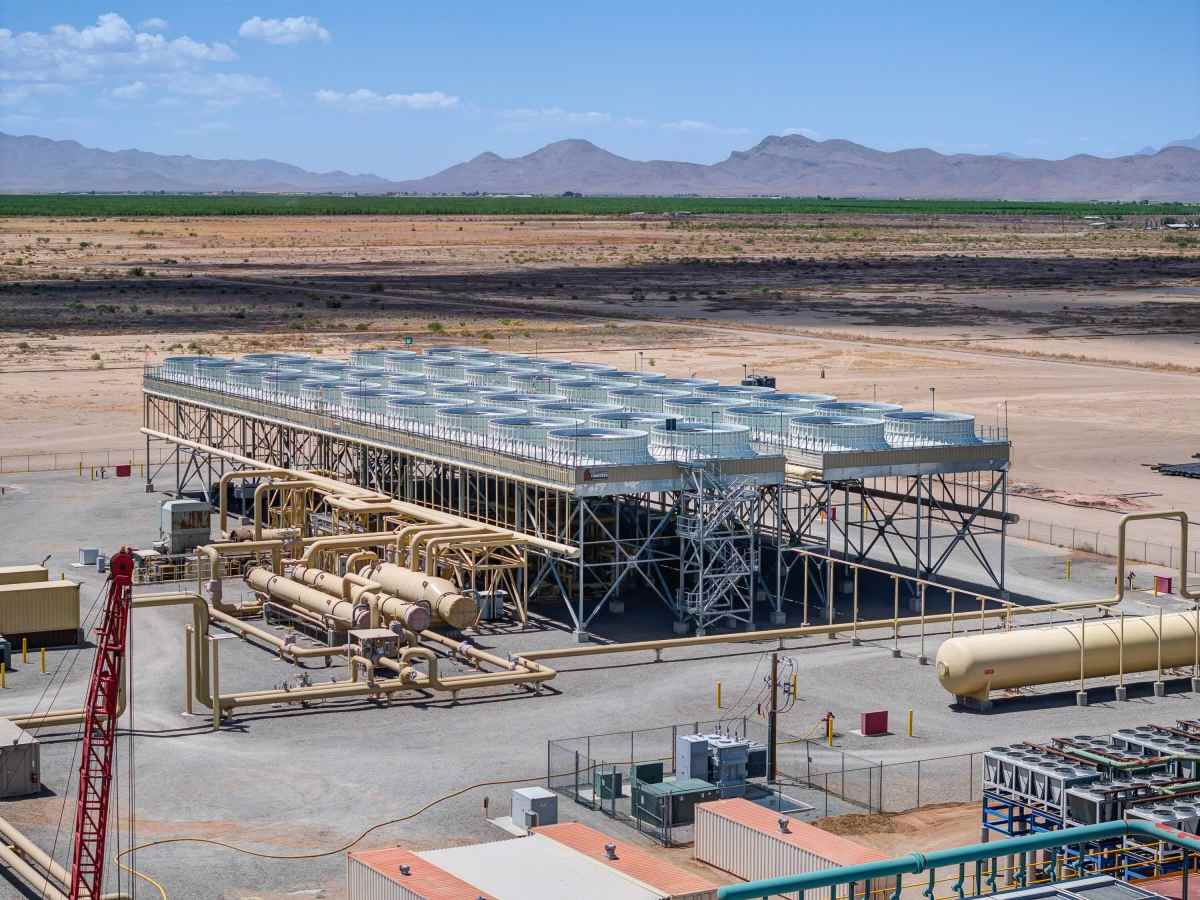
Zanskar is leveraging artificial intelligence to rejuvenate conventional geothermal energy production. Their cutting-edge efforts have already revived a struggling power plant in New Mexico and identified two new geothermal sites, combining for over 100 megawatts of potential output.
This success facilitated Zanskar’s recent $115 million Series C funding round, led by Spring Lane Capital with contributions from multiple invested parties, including All Aboard Fund and Clearvision Ventures, among others.
Hoiland highlighted that many viable geothermal sites have been overlooked due to reliance on surface indicators like hot springs or volcanoes. “In reality, around 95% of geothermal systems don’t exhibit such signs,” he explained. Zanskar’s innovative use of AI has enabled accidental discoveries, illustrating the technology’s application in locating new geothermal resources.
The company employs supervised machine learning to analyze a broad spectrum of data, incorporating past discoveries into its algorithm. Upon identifying a likely site, Zanskar sends a team to confirm the findings, subsequently developing a comprehensive plan integrating Bayesian evidential learning (BEL). This AI-driven approach utilizes existing data to formulate hypotheses and infer probabilities, while a customized geothermal simulator addresses any data deficiencies.
The initial results have been promising; all three explored sites from the last funding round were deemed successful. “Three for three,” noted Zanskar co-founder and CTO Joel Edwards. “Imagine the implications of testing ten.”
Currently, Zanskar is in a strong position with enough prospective sites to potentially achieve at least a gigawatt of generating capacity. Their primary focus remains on the U.S. West, a region rich in geothermal potential, aiming to identify at least ten confirmed sites to attract project finance investors, which could provide lower-cost capital compared to traditional venture capital.
While Hoiland acknowledges that challenges in geothermal resource exploration persist, he remains confident in Zanskar’s strategic direction. “This methodology represents the future of exploration,” he asserted. “It promises to transform the geothermal landscape remarkably soon.”