Meta’s Ambitious Metaverse Vision Faces Significant Setbacks Amidst Growing Doubts
Meta, the tech giant formerly known as Facebook, is reeling from a major restructuring of its Reality Labs division, laying off approximately 1,500 employees—around 10% of the workforce. This shocking development marks a significant shift for the company, which, just four years prior, bet its future on the revolutionary potential of the metaverse.
The initial rebranding to Meta in 2021 was aimed at positioning the company at the forefront of virtual reality (VR) technology, drawing on the rising interest among younger generations to engage in social experiences through platforms like Fortnite and Roblox. This pivot was also a strategic move to distance itself from the controversies associated with the Facebook brand, which had suffered from numerous data privacy issues and allegations of harmful impacts on users, particularly minors.
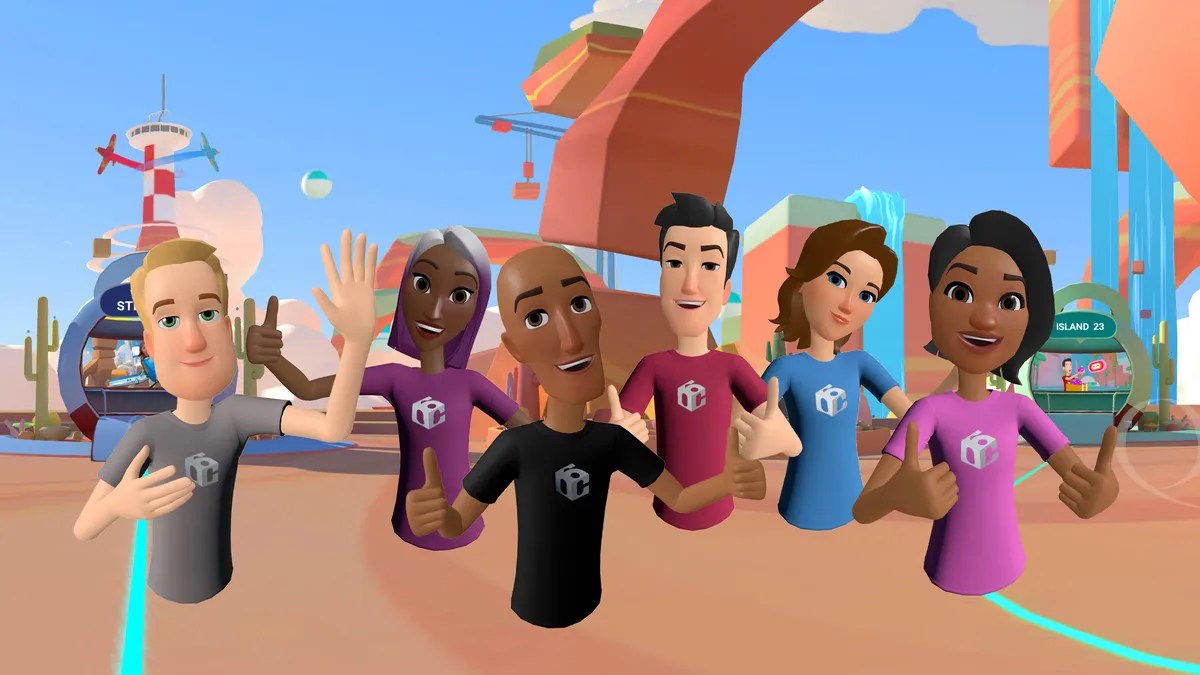
Meta envisioned the metaverse as the next major social frontier, featuring interactive environments through applications like Horizon Worlds. However, recent reports indicate a dramatic shift in focus towards artificial intelligence, leaving the metaverse initiative in jeopardy.
Key developments include the closure of several VR game studios under Meta’s umbrella, including Armature Studio and Twisted Pixel, as well as the cessation of new content for the VR fitness app Supernatural. Moreover, the company has decided to shut down its VR workplace platform, Workrooms, further signaling a withdrawal from its metaverse ambitions.
This retrenchment follows earlier announcements about a substantial budget cut—up to 30%—for the Reality Labs division, which has already accumulated losses exceeding $73 billion. Investors had grown concerned as the division failed to generate a profit, ultimately leading to increasing skepticism around Meta’s metaverse prospects.
Several factors contributed to this downturn:
- Poor Product Adoption: Initial metaverse offerings were criticized for lacking user engagement and delivering subpar experiences. Avatars and applications often failed to meet consumer expectations.
- High Fees for Developers: Meta imposed significant fees on developers, which deterred engagement and innovation within its VR ecosystem.
- Safety Concerns: Reports of harassment in virtual spaces prompted a reactive, rather than proactive, approach to user safety, further diminishing the appeal of the platform.
- Rise of Competing Technologies: Meta’s recent ventures into augmented reality (AR) and artificial intelligence have outperformed VR initiatives, leading to a strategic shift towards these more promising sectors.
As exports of VR headsets have declined and consumer interest shifts to new technologies, Meta is pivoting towards AI development and AR products like the Ray-Ban smart glasses, which have seen increasing demand. This transition highlights a broader industry trend towards AI and mixed reality as more viable avenues for future growth.
In conclusion, Meta’s ambitious metaverse vision has hit numerous roadblocks, prompting a reevaluation of its strategy in light of shifting consumer preferences and competitive technologies. The once-hopeful dream of a connected virtual reality now seems overshadowed by the rising tide of AI innovation.