Motional is now concentrating its efforts on artificial intelligence as it gears up for a driverless robotaxi launch in 2026, following a pivotal transition period. The company, which emerged from a $4 billion collaboration between Hyundai Motor Group and Aptiv, faced significant challenges, including a missed launch deadline for its autonomous vehicle service with Lyft and the departure of Aptiv as a financial supporter, leading to a substantial restructuring that cut its workforce by 40% earlier this year.
In light of these hurdles, Motional president and CEO Laura Major emphasized the company’s need for evolution. “Recognizing the potential of advancements in AI, we made the difficult decision to pause our commercial activities. This strategic slowdown allows us to accelerate our progress,” she stated during a recent presentation at the company’s Las Vegas facility.
Shifting from its traditional robotics approach, Motional plans to build an AI foundation model that simplifies its technology architecture. While previously relying on individual machine learning models for various tasks — including perception and tracking — the integration of AI models derived from language processing will facilitate a more streamlined, end-to-end system. This approach not only enhances adaptability to diverse environments but also optimizes operational costs.
Motional is actively developing the capability to effectively navigate various urban landscapes. “This advancement is critical for two reasons,” Major explained. “It allows us to generalize to new cities and scenarios more easily and does so in a cost-effective manner.”
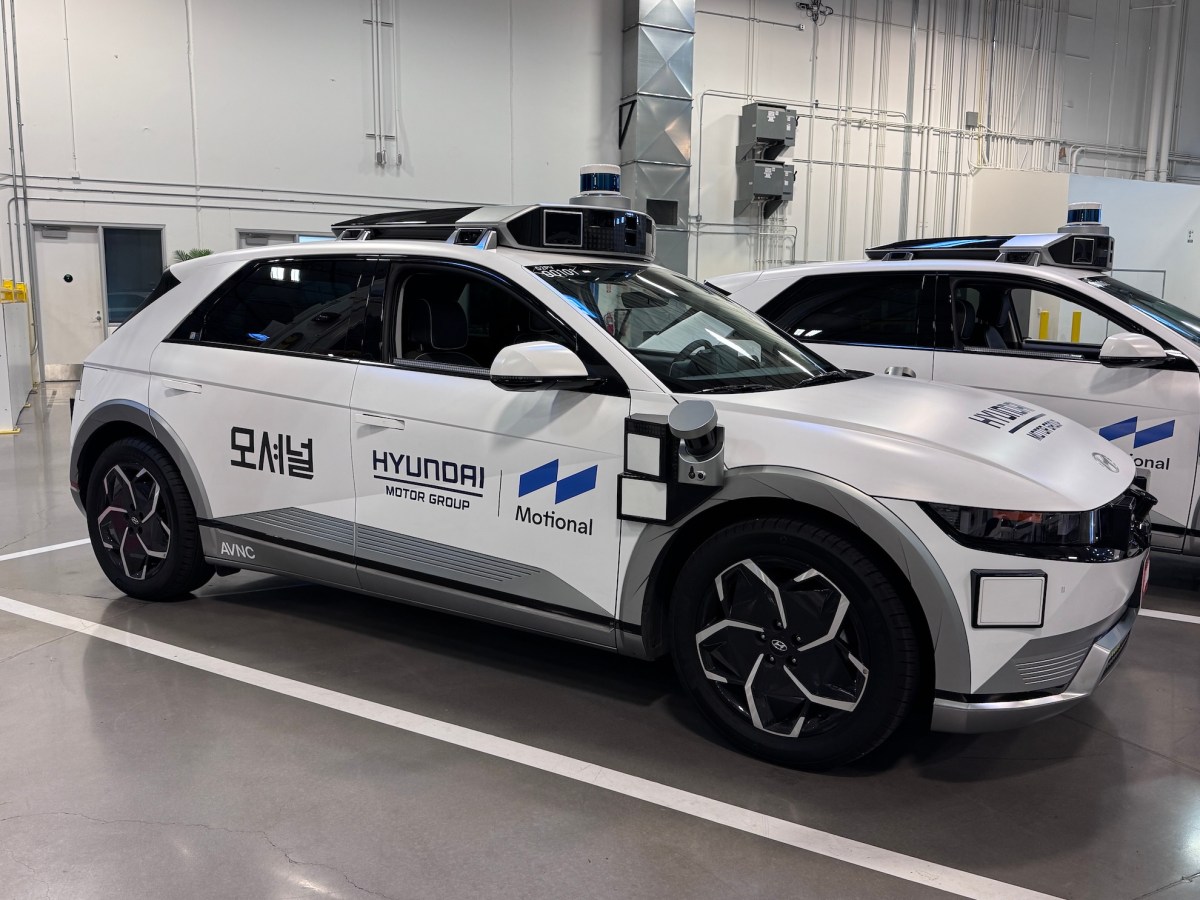
During a recent autonomous ride in a Hyundai Ioniq 5, the vehicle adeptly maneuvered through the busy streets of Las Vegas, demonstrating improved navigation skills in complex environments. Unlike previous trials, where a human operator controlled challenging scenarios such as parking or navigating crowded areas, the latest test ride proceeded smoothly, affirming Motional’s commitment to enhance its technology.
Despite ongoing improvements, there remains work to be done. For instance, the user interface within the vehicle is still under refinement, and the navigation system occasionally hesitated in densely packed areas. Nevertheless, Major expressed confidence in the company’s trajectory toward a safe and effective deployment, backed by a long-term commitment from Hyundai.
“Our ultimate vision is the integration of Level 4 autonomy into personal vehicles,” she concluded, highlighting the broader implications of successful robotaxi deployment. “This initial step is significant, but the potential for adaptation into other vehicles is vast.”