CES 2026 Unveils Groundbreaking Innovations from Nvidia, AMD, and Razer
The Consumer Electronics Show (CES) 2026 in Las Vegas has officially opened its doors to the public, following an intense series of press conferences from technology giants like Nvidia, Sony, and AMD, along with previews from the Unveiled event held on Sunday. This year’s conference emphasizes the critical role of artificial intelligence (AI), while still showcasing the hardware advancements and quirky gadgets that have defined CES for years. Enthusiasts can expect to see the most significant announcements and surprises compiled in this report, alongside live updates and reactions from the event.
Nvidia Introduces AI Model for Autonomous Vehicles and New Rubin Architecture
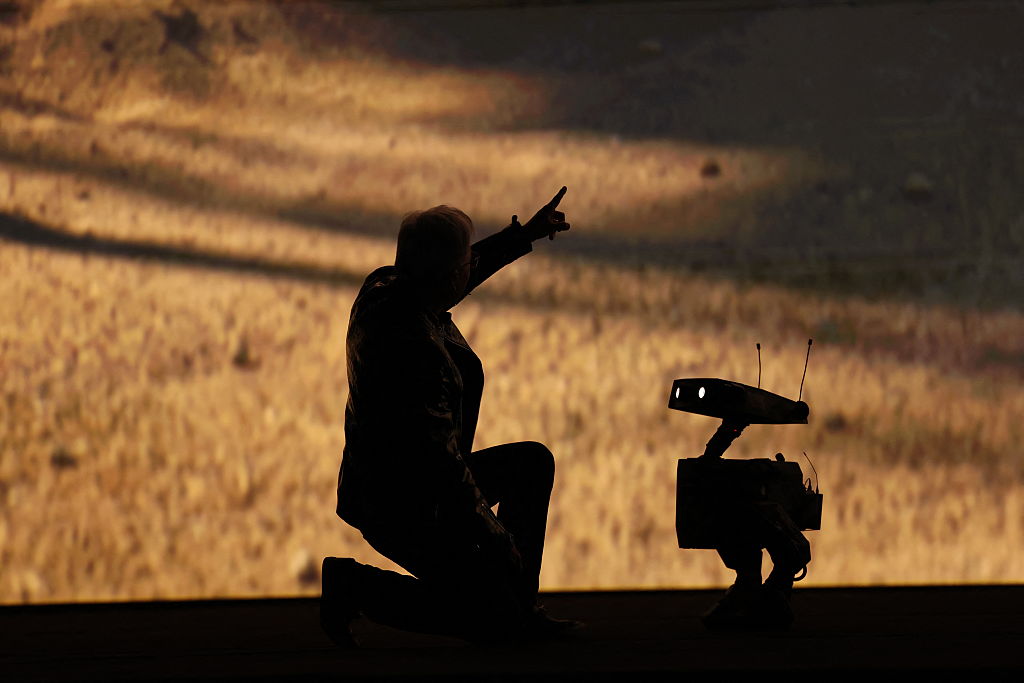
Nvidia’s CEO Jensen Huang took center stage to share the company’s ambitious AI-driven vision for 2026. He unveiled the Rubin computing architecture, designed to meet the growing computational requirements of AI technologies, which is set to replace the Blackwell architecture later this year. The new architecture promises enhanced speed and storage capabilities, with insights from Senior AI Editor Russell Brandom detailing its unique features.
Additionally, Nvidia presented its Alpamayo family of open-source AI models aimed at enhancing autonomous vehicles, aligning with its goal to create foundational infrastructure for generalist robots, as reported by Senior Reporter Rebecca Bellan.
AMD Highlights New Processors and Collaborative Efforts
AMD’s chair and CEO, Lisa Su, opened the keynote session by showcasing key partnerships with notable figures, including OpenAI’s Greg Brockman and AI innovator Fei-Fei Lei. The presentation highlighted AMD’s commitment to advancing AI in personal computing through its Ryzen AI 400 Series processors, aiming to broaden AI accessibility, as outlined by Senior Reporter Rebecca Szkutak.
Hyundai Collaborates with Boston Dynamics and Google on Atlas Robots
Hyundai’s press conference focused on its strategic partnerships in robotics, particularly its collaboration with Boston Dynamics to enhance the functionality of Atlas robots. This initiative includes a partnership with Google’s AI research lab, aimed at refining the training and operation of existing and new Atlas iterations, further detailed by Transportation Editor Kirsten Korosec.
Amazon Expands AI Offerings with Alexa and Ring Updates
Amazon introduced significant updates to its AI capabilities, launching Alexa.com for Early Access customers and revamping its chatbot application. Consumer Editor Sarah Perez provides an overview of these enhancements, alongside news of the Fire TV update and the new Artline TVs that support Alexa+. On the Ring front, Consumer Reporter Ivan Mehta reports on various announcements, ranging from fire alerts to a new app store for third-party camera integrations.
Razer Innovates with Project AVA and Project Motoko
Razer made a splash at CES with its intriguing announcements, unveiling Project Motoko, a device designed to deliver smart functionality without traditional eyewear. In addition, Project AVA introduces an AI companion avatar that resides on users’ desks, enhancing the interactive experience for gamers and tech enthusiasts alike.
Lego Makes Its CES Debut with Smart Play System
In a first for the company, Lego showcased its Smart Play System at CES, featuring interactive bricks, tiles, and Minifigures that can emit sounds and engage with each other. The introductory sets, themed around the iconic Star Wars franchise, were detailed by Senior Writer Amanda Silberling.
As CES 2026 continues, further revelations and innovative technologies are set to reshape the tech landscape. Stay tuned for more updates.