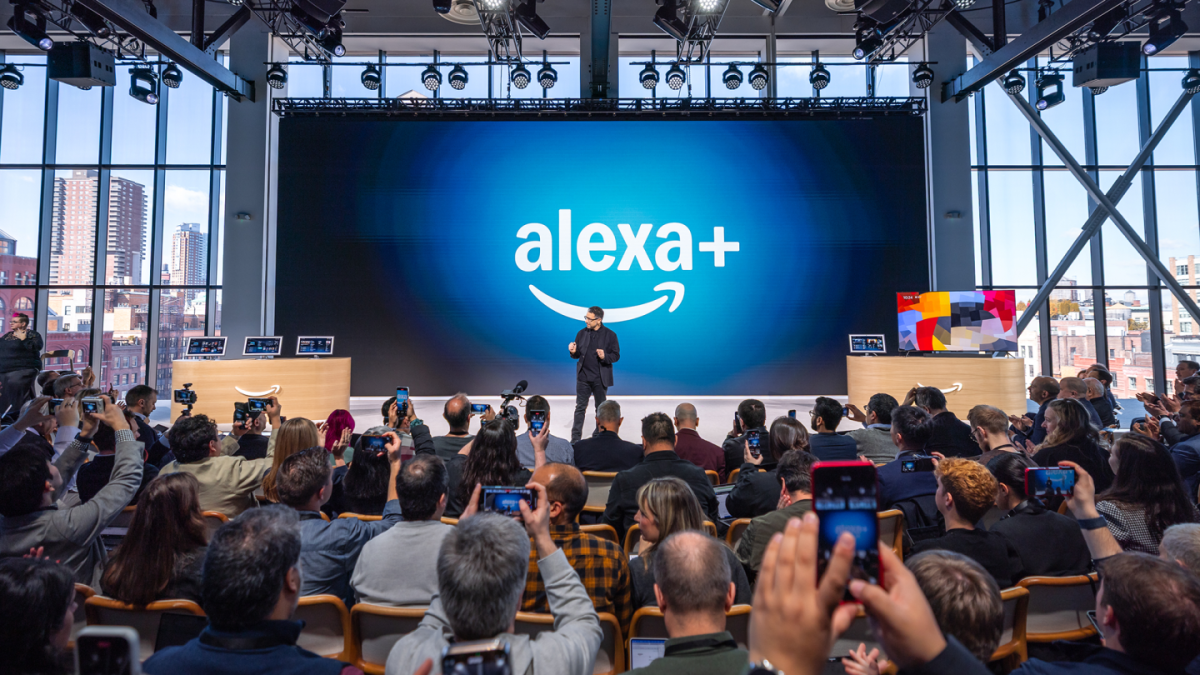
Amazon enhances its AI digital assistant, Alexa+, by integrating new capabilities with Angi, Expedia, Square, and Yelp, set to launch in 2026. This strategic move aims to streamline user experiences, allowing customers to effortlessly book hotels, acquire home service quotes, and schedule salon appointments through voice commands.
Key Features of the New Integrations
- Expedia: Users can compare, book, and manage hotel bookings. Personalized recommendations can be requested by sharing preferences, such as pet-friendly accommodations in specific cities.
- Angi: Customers can obtain quotes for home improvement services, simplifying the search for qualified professionals.
- Square: This integration facilitates simple transactions, making it easier to pay for various services.
- Yelp: Users can swiftly find and make reservations at local businesses, enhancing convenience.
These new partners complement existing integrations with services like Fodor, OpenTable, Suno, Ticketmaster, Thumbtack, and Uber, thus expanding Alexa+’s functionality as a comprehensive assistant.
Similar to recent developments with ChatGPT, which is incorporating apps into its platform, Amazon is positioning Alexa+ as a versatile tool for accessing diverse online services. Users can now engage in more natural, conversational interactions, refining their commands based on real-time feedback.
Despite interest, the acceptance of this AI-driven service model by consumers remains uncertain. Amazon indicates a positive reception among early adopters, particularly for home services provided by companies like Thumbtack and Vagaro, which have seen strong engagement metrics.
For AI assistants to successfully replace traditional apps, they must offer a similarly expansive selection of services as those found in conventional app stores. Moreover, they must seamlessly recommend applications at opportune moments without overwhelming users, avoiding the perception of intrusive advertising.
As Amazon pushes the boundaries of digital assistance, the effectiveness of this model will depend on consumer adaptability and the perceived ease of using AI-driven services over established web and mobile platforms.