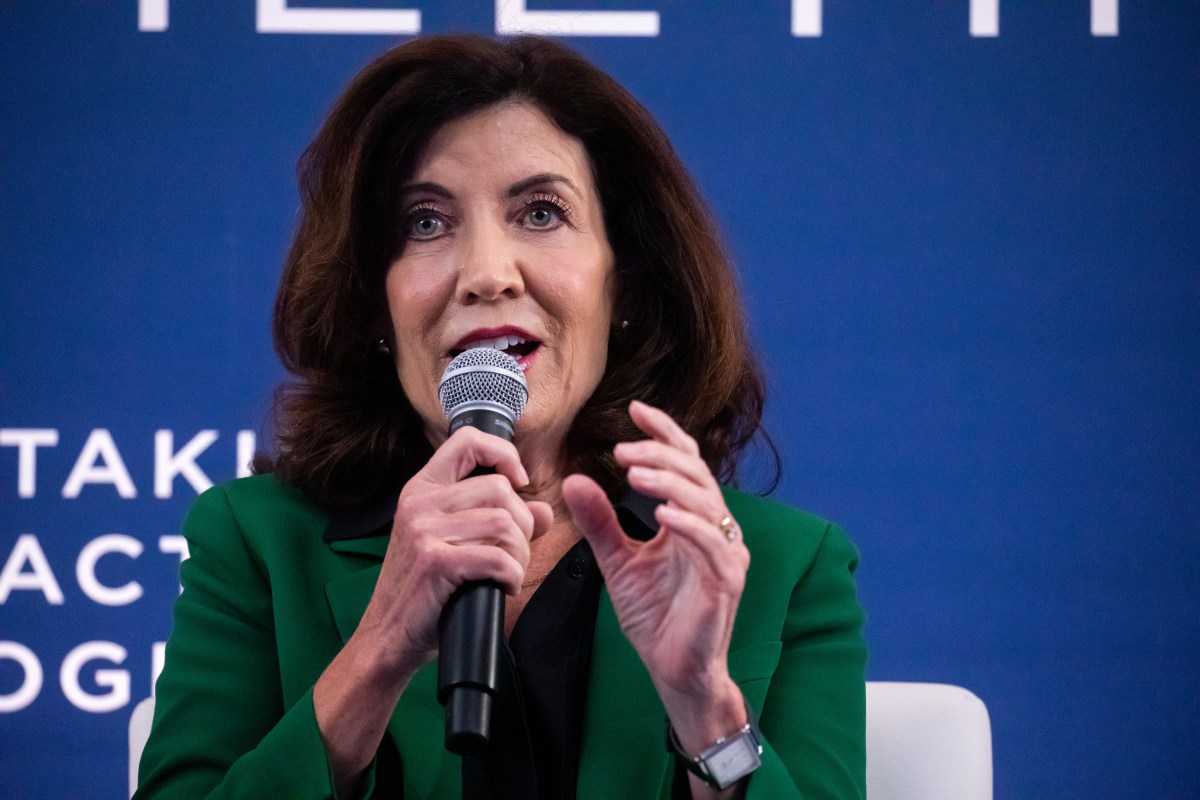
New York Governor Kathy Hochul has officially enacted the RAISE Act, marking the state as the second in the U.S. to adopt comprehensive legislation aimed at ensuring AI safety. This decisive move comes after the New York State Legislature passed the bill in June, but following significant lobbying efforts from the technology sector, Hochul proposed amendments to moderate its scope. Ultimately, she decided to endorse the original legislation, with a promise that her suggested alterations would be addressed in the upcoming year.
Under this new law, major AI developers will be mandated to disclose their safety protocols and report any safety incidents to state authorities within a 72-hour window. The legislation also establishes a new office within the Department of Financial Services dedicated to overseeing AI development. Companies that fail to submit required safety reports or provide inaccurate information could face fines of up to $1 million, escalating to $3 million for repeat violations.
This initiative follows a similar AI safety bill signed by California Governor Gavin Newsom in September. In her announcement, Hochul emphasized, “This law builds on California’s recently adopted framework, creating a unified benchmark among the nation’s leading tech states as the federal government lags behind in implementing essential regulations to safeguard the public.”
State Senator Andrew Gounardes, a co-sponsor of the bill, celebrated its passage by stating, “Big Tech thought they could weasel their way into killing our bill. We shut them down and passed the strongest AI safety law in the country.” Both OpenAI and Anthropic have voiced their support for New York’s legislation, urging for a unified federal approach to AI transparency. Anthropic’s head of external affairs, Sarah Heck, conveyed to the New York Times, “The fact that two of the largest states in the country have now enacted AI transparency legislation signals the critical importance of safety and should inspire Congress to build on them.”
However, not all tech industry stakeholders have shown support for this move. A super PAC backed by prominent figures such as Andreessen Horowitz and OpenAI President Greg Brockman is reportedly seeking to challenge Assemblyman Alex Bores, who co-sponsored the bill alongside Gounardes. In response, Bores expressed his appreciation for the transparency of their actions.
This development unfolds amidst a broader landscape, as a recent executive order signed by former President Donald Trump directs federal agencies to contest state-level AI regulations. Backed by Trump’s AI czar David Sacks, this order represents yet another effort by the former administration to limit states’ capacity to regulate AI, potentially setting the stage for courtroom battles ahead.
For additional insights, discussions on Trump’s executive order and the involvement of Sacks and a16z in opposing state regulations were covered in the latest episode of the Equity podcast.