Google Enhances AI Infrastructure Leadership: Amin Vahdat Takes Center Stage
In a significant development within the artificial intelligence landscape, Google has appointed Amin Vahdat as the chief technologist for AI infrastructure, a newly established role reporting directly to CEO Sundar Pichai. This strategic decision underscores Google’s commitment to advanced AI development, as the tech giant anticipates investing up to $93 billion in capital projects through 2025, potentially increasing expenditure next year.
Amin Vahdat is no stranger to AI; he has been instrumental in shaping Google’s AI infrastructure over the past 15 years. With a PhD from UC Berkeley, Vahdat’s career began as a research intern at Xerox PARC in the early 1990s. Before joining Google as an engineering fellow and VP in 2010, he served as an associate professor at Duke University and held the SAIC Chair at UC San Diego. His impressive academic background boasts around 395 published papers, primarily focused on optimizing computational efficiency at scale.
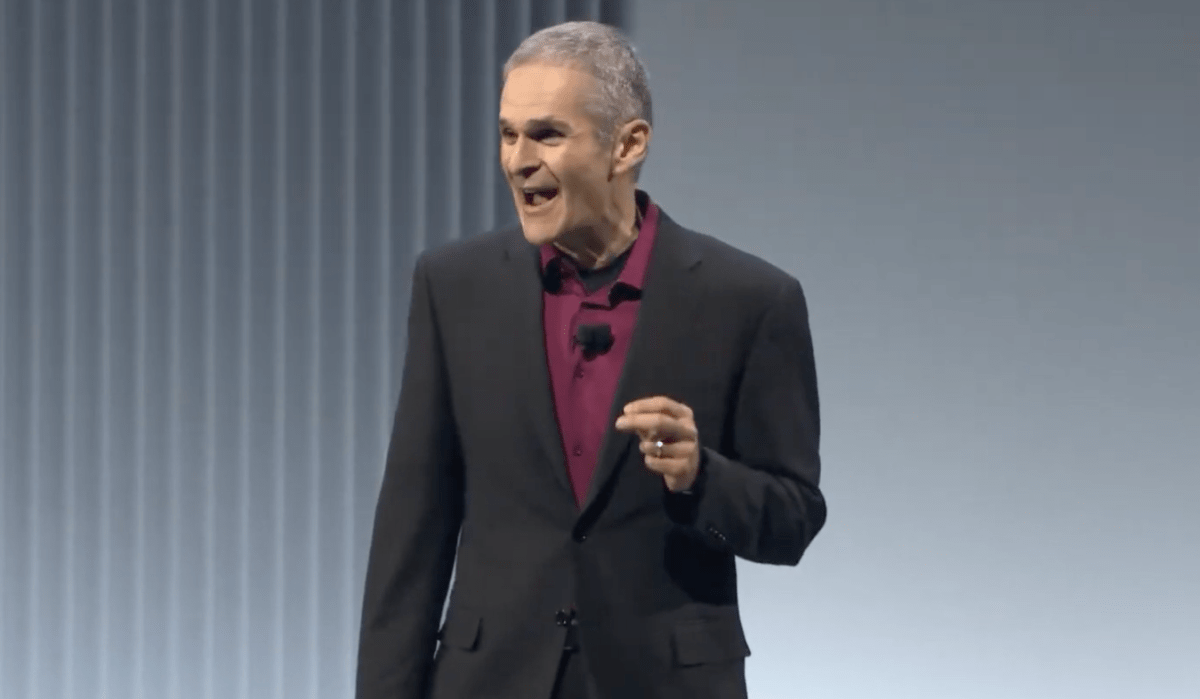
Vahdat’s prominence at Google was highlighted just eight months ago during the Google Cloud Next event, where he revealed the seventh-generation TPU, named Ironwood. He noted that these chips deliver over 42.5 exaflops of computing power, exceeding the capabilities of the world’s leading supercomputer at the time. Vahdat emphasized the skyrocketing demand for AI compute resources, which has surged by a staggering factor of 100 million in eight years.
Internally, as reported by Semafor, Vahdat has been pivotal in developing essential components that maintain Google’s competitive edge. His efforts include the design of custom TPU chips for AI training and inference, as well as enhancements to the Jupiter network, which allows seamless communication across Google’s servers. Vahdat has indicated that Jupiter now supports a capacity of 13 petabits per second, theoretically enabling simultaneous video calls for the entire global population.
Vahdat’s influence extends to the development of Borg, Google’s cluster management system that optimizes server tasks across data centers, as well as Axion, Google’s first custom Arm-based general-purpose CPUs for data centers, which were introduced last year.
In summary, Vahdat’s elevation to chief technologist is not just a recognition of his substantial contributions to Google’s AI strategy; it also reflects the company’s commitment to retaining top talent in an intensely competitive market.