India Proposes Royalty Framework for AI Firms Using Copyrighted Content
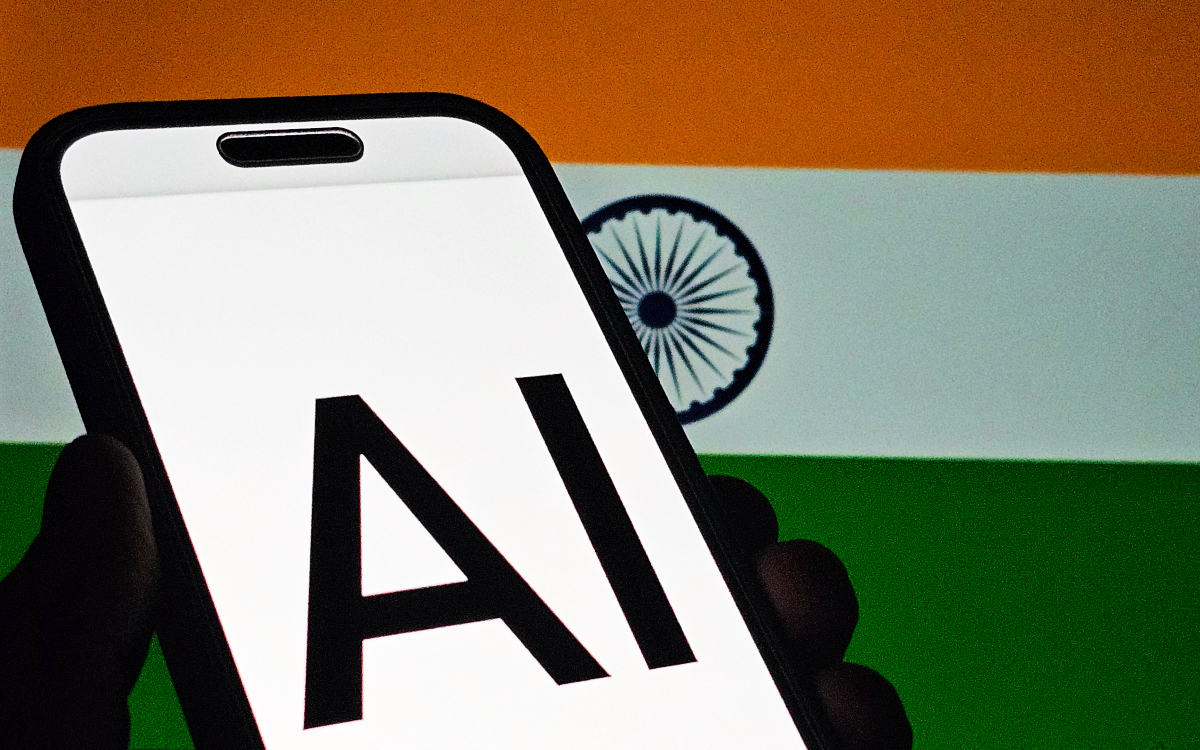
India has introduced a groundbreaking proposal for a mandatory royalty system aimed at artificial intelligence (AI) companies that utilize copyrighted materials in training their models. This initiative could significantly transform operations for firms like OpenAI and Google in one of the world’s most rapidly expanding markets.
On Tuesday, the Department for Promotion of Industry and Internal Trade unveiled a framework designed to enable AI developers to access copyrighted works in exchange for royalty payments to a newly established collecting body comprised of rights-holding organizations. This "mandatory blanket license" is intended to simplify compliance for AI firms while ensuring that creators—including writers, musicians, and artists—are compensated when their copyrighted content is leveraged for commercial model training.
Key Points of India’s Proposal:
- Mandatory Licenses: The proposed system would allow AI companies automatic access to copyrighted material, alleviating potential legal complexities.
- Compensation for Creators: Royalties would directly benefit artists and rights holders, providing them fair remuneration as AI technology advances.
- Addressing Legal Uncertainty: India’s approach offers a contrast to ongoing legal debates in the U.S. and Europe regarding fair use, promoting a more defined pathway for AI development in India.
The committee asserts that this initiative will mitigate prolonged legal disputes and provide a sustainable framework for AI companies. In their comprehensive 125-page submission, they argue that this system would streamline access for developers while ensuring equitable compensation for creators. A single collecting body would manage royalty distribution effectively, eliminating the need for elaborate negotiations.
India’s stature as a burgeoning market for generative AI tools is reinforced by insights from OpenAI CEO Sam Altman, who stated that the country ranks as their second-largest market, soon expected to surpass the U.S. in importance. The framework seeks to ensure that a portion of the revenue generated by these AI firms is returned to the Indian creators whose work contributes to model training.
This proposal arrives amidst escalating global scrutiny concerning AI companies’ legal rights to utilize copyrighted content. In India, the news agency ANI has filed a lawsuit against OpenAI in the Delhi High Court, questioning whether AI training operations constitute reproduction or fall under “fair dealing” protections. Similar legislative challenges are underway in other regions, demanding clarity in copyright laws as AI technologies evolve.
Feedback and Criticism of the Proposal
While the proposed framework has garnered support from various sectors, it has also faced opposition. Nasscom, which represents major tech entities including Google and Microsoft, submitted a formal dissent urging for broader text-and-data-mining exceptions. They argue that such an exception would facilitate lawful material access for AI firms, enabling training on copyrighted content without necessitating blanket licenses.
Additionally, the Business Software Alliance has advocated for a balanced approach that doesn’t solely rely on licensing, citing concerns that it could stifle innovation. They assert that limiting AI models to licensed or public-domain content may degrade model quality and could perpetuate biases inherent in smaller datasets.
Critics of the proposal also express concerns about its enforcement challenges and the potential burden of a mandatory licensing regime. The committee has proposed a "hybrid model" which would provide automatic access while mandating fees for royalties, a compromise aimed at addressing both innovation and compensation needs.
The Indian government has opened the proposal for public consultation, allowing industry stakeholders 30 days to voice their opinions. Following this period, the committee will revise its recommendations before the final framework is reviewed by governmental authorities.
Neither OpenAI nor Google has released a comment regarding this proposal at this time.